Thursday, May 7, 2026
Home Blog Page 6

NSE Headquarters Illuminated in Tricolour on Eve of 77th Republic Day

0


The National Stock Exchange (NSE) headquarters in Mumbai was illuminated in the Indian Tricolour on Sunday evening, marking the eve of India’s 77th Republic Day, to be celebrated on January 26, 2026.

Bathed in saffron, white and green, the illumination symbolised national pride, unity and the enduring spirit of India’s democracy. The gesture reflects the significance of Republic Day, commemorating the adoption of the Constitution of India and the country’s journey as a sovereign republic.

As the nation prepares to mark 77 years of its republican journey, the illuminated NSE building stands as a visual tribute to India’s democratic values and progress, and to the role of institutions that contribute to the country’s economic and financial development.

The National Stock Exchange of India Limited operates a modern, fully automated trading platform with nationwide reach and is a key institution in India’s capital market ecosystem, supporting transparent, efficient and orderly markets.

Sikkim to Get Dedicated Cyber Crime Police Station by 2026

0

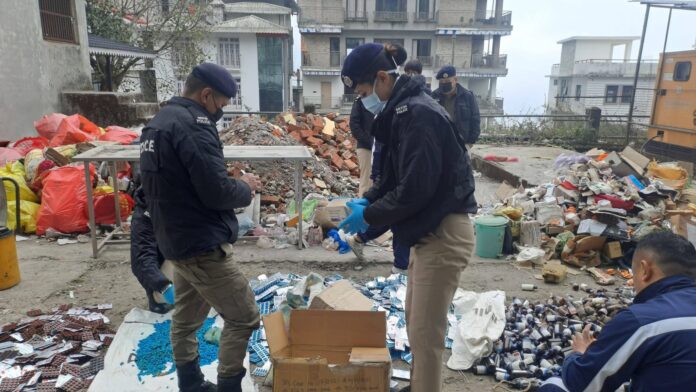
Sikkim will establish a dedicated Cyber Crime Police Station by 2026, Director General of Police Akshay Sachdeva announced during a press conference on Wednesday. The move comes amid a steady rise in cyber crime and digital fraud cases in the state, reflecting growing challenges posed by increased internet and digital payment usage.

According to data from the National Crime Records Bureau (NCRB), Sikkim reported 26 cyber crime cases in 2022, compared to negligible or zero cases in earlier years. While the absolute number remains low compared to larger states, officials say the trend is upward. In addition to registered FIRs, the National Cyber Crime Reporting Portal has received hundreds of complaints from Sikkim, mainly related to online financial frauds, phishing, fake loan offers, and impersonation scams.

Sikkim Police officials noted that several digital fraud cases have been reported regularly since 2023, with victims losing money through UPI scams, online marketplace frauds, and fake investment schemes.

Police have repeatedly urged citizens to report incidents promptly through helpline 1930 or the national portal.
To strengthen cyber crime response, the Sikkim Police has taken multiple steps over the past few years. A Cyber Forensic and Training Laboratory was set up at Police Headquarters in 2020, followed by the establishment of a Cyber Cell at the South District Police Headquarters in Namchi in 2021. The force has also conducted regular cyber awareness programmes and specialised training for officers.

The upcoming dedicated Cyber Crime Police Station is expected to centralise reporting, investigation, and digital forensic analysis, enhancing the state’s ability to tackle cyber offences. Officials believe the initiative will improve conviction rates, victim support, and overall digital safety in Sikkim.

How Colleges in Sikkim Are Flourishing, MIT University Sikkim Emerging as Students’ Top Choice

0

Management & Information Technology (MIT), Sikkim University Sikkim is fast emerging as a preferred choice for students across India, with applicants increasingly selecting the institution over established colleges in their home states. Within a month of opening admissions for the 2026 academic session, the university received more than 1,000 complete applications along with registration fees, while nearly 5,000 inquiries were recorded from states such as Delhi, Uttar Pradesh, Bihar, West Bengal, Assam, and other regions.

Despite the strong response, university authorities have clarified that admissions will remain highly selective. The institution plans to admit only 100 to 150 students in its initial intake after a detailed screening process. Vice-Chancellor Dr Deepak Kher stated that the limited intake is intentional, allowing the university to closely assess students’ aptitude and skills and focus on making them job-ready by the second year of study.

Education observers note that the growing interest in MIT University Sikkim reflects a shift in student and parent priorities. Rather than relying solely on established brand names, families are now giving greater importance to degree validity, employability, affordability, and campus safety. Many applicants reportedly chose the university despite already holding offers from colleges closer to home.
MIT University Sikkim is recognised by the University Grants Commission under Section 2(f) of the UGC Act, ensuring nationwide and international acceptance of its degrees. This recognition has become a crucial factor for students planning careers in both public and private sectors or aiming for higher education in India and abroad.

The university places strong emphasis on vocational and skill-based education, with a significant portion of its curriculum dedicated to practical learning, live projects, internships, and regular skill workshops. Programs are designed to align with industry needs and evolving job markets.

With annual fees ranging between approximately ₹60,000 and ₹1.5 lakh, combined with Sikkim’s reputation as a safe and peaceful state, MIT University Sikkim is increasingly being viewed as a credible and affordable higher education destination by students nationwide.

Over 500 Glaciers Lost in Bhutan in 50 Years, Raising Alarm for Sikkim and Arunachal

0

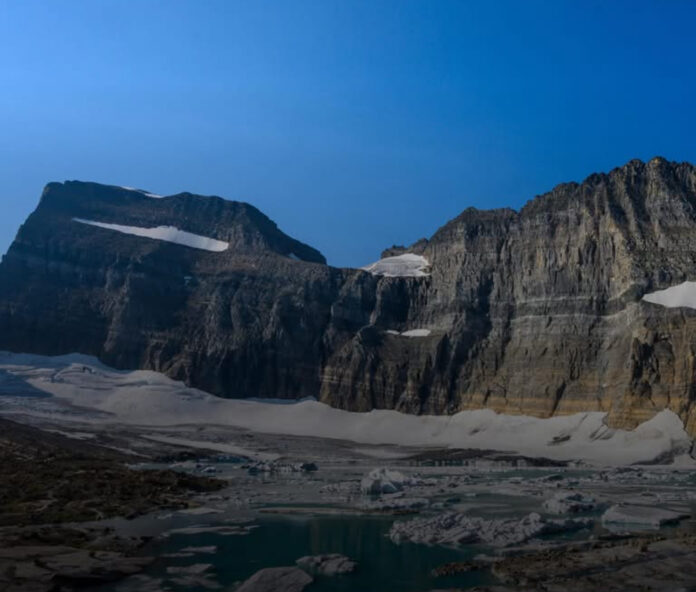
A new scientific study has revealed that Bhutan has lost more than 500 small glaciers over the last five decades, highlighting the accelerating impact of climate change on the eastern Himalayas. The findings have also triggered serious concerns for neighbouring Indian regions such as Sikkim and Arunachal Pradesh, which share similar Himalayan geography and climatic conditions.

The study, published in the journal Remote Sensing, analysed glacier changes in the Bhutanese Himalaya between 1976 and 2024 using satellite imagery and historical glacier inventories. Researchers found that 524 glaciers completely disappeared during this period. Alarmingly, glacier loss intensified after 1998, with over 83 per cent of the extinctions occurring between 1998 and 2024. During this later phase, nearly 16 glaciers vanished every year, compared to about four annually in the earlier decades.

Scientists noted that smaller glaciers, especially those under five square kilometres, were the most vulnerable to rising temperatures and changing snowfall patterns. Glacier loss was also uneven, with southern Bhutan—bordering India—recording higher extinction rates than the northern region.

Experts warned that similar glacier retreat may already be underway in India’s eastern Himalayan states. A separate 2025 study had earlier reported the disappearance of 110 glaciers in Arunachal Pradesh over 32 years, reinforcing fears of widespread ice loss across the region.

Rapid glacier retreat poses serious risks to water security, river flow stability, and natural hazards.

Himalayan glaciers play a vital role in sustaining rivers during dry seasons. The study also pointed to the growing influence of glacial lakes, which accelerate ice melting and increase the risk of floods, further threatening downstream communities in Bhutan and India.

27-Year-Old Man Killed in Dentam; Four, Including Minor, Nabbed

0

A 27-year-old man was allegedly murdered in Dentam, West Sikkim, on Friday evening, prompting immediate action by the district police.

The deceased has been identified as Rajiv Mandal, a resident of Raiganj in West Bengal. Confirming the incident, Superintendent of Police Tshering Sherpa stated that police were alerted soon after the crime was reported.

Acting swiftly, law enforcement teams launched a search operation as the accused attempted to flee the area. The suspects were intercepted at Legship, where four individuals—including one minor—were apprehended. All the accused are reportedly from West Bengal.

The arrested persons are currently in police custody. Police have initiated a detailed investigation to determine the motive behind the killing and to reconstruct the sequence of events leading to the crime.

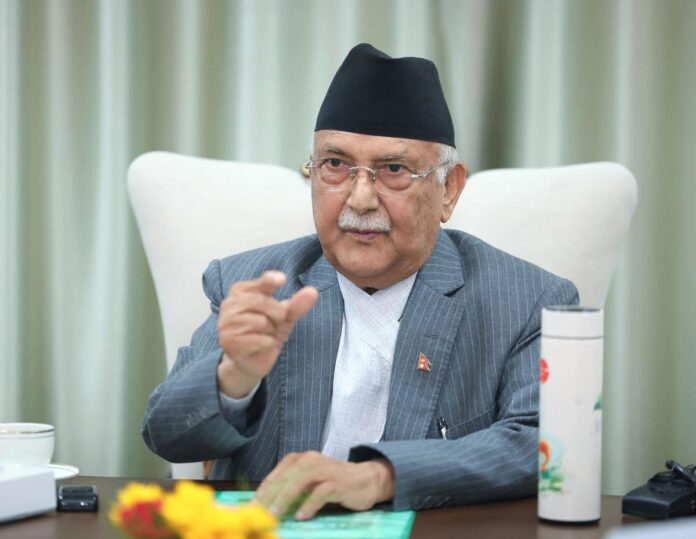
Gen Z Protests Fade, Old Politics Return: Why Rural Nepal’s Voters Still Bet on KP Oli

0

Nepal was one of the most centric topics of discussion in 2025 when protests erupted. Gen Z became a keyword for many as Kathmandu was burnt, the Prime Minister was ousted, and 71 people were killed. But the interesting thing is that it lasted for only two days, and within a few weeks, KP Oli appeared on the roads and started campaigning alongside his close aide Mahesh Basnett, with a large number of people joining in with the slogan “KP Sharma Zindabad”, mainly youth aged 21–35.

Unlike Bangladesh, Afghanistan, Sri Lanka, and Madagascar, where presidents fled and never returned due to fear of being killed, in Nepal, KP Oli returned with his party cadre in Bhaktapur on 27 September 2025 and later became elected as Party Chief of CPN-UML.

What is interesting to note is that Nepal, a country in South Asia, has only tasted democracy since 1951, which was later ousted in 1960, returned again in 1990, and continued until the King was ousted in 2006. Nepal has never truly experienced stable democratic leadership, which has led to internal political instability driven by communism and Maoist movements.

A week ago in Jhapa, we spoke with a few people aged 21–25 and understood their views on instability. They don’t care, as long as they want to elect KP Oli as Prime Minister, often saying “KP ba nai aaunu huncha”, meaning “KP Oli will return again.” We were wondering what suddenly changed between urban and rural politics in Nepal, as it seems people have forgotten the Gen Z movement.

In Nepal’s politics, understanding reality is far from the social media narrative versus ground reality. Balendra Shah, known as Balen, who will be contesting against KP Oli’s strong bastion in Jhapa-5, faces a major challenge in Nepal’s political landscape.

On the other side, Dharan Mayor Harka Sampang continues media posturing about becoming Prime Minister rather than first winning an election. Other than this, Kulman Ghising, who resigned to become Power Minister, is contesting elections. At the same time, Nepal’s most talked-about social worker, Ashika Tamang, has also entered politics and will be contesting against KP Oli and Balen Shah from Kathmandu-2.

But the question is: what do actual Nepali voters want? Change in leadership? Change in Nepal? Even a 24-year-old boy, who has never experienced grassroots politics, is now trying to contest elections—something Nepal’s education reformer Mahabir Pun himself knows is frustrating within Nepal’s political system.

One of the most interesting aspects is Sudurpashchim and Karnali, where voters want dignity, development, and delivery, yet continue electing the same politicians again and again, forcing youth to migrate to India for work. There is a village in Nepal called Hokse, where people openly sell their kidneys just to survive and buy food. This area is tragically known as “Kidney Valley”, showing how pathetic rural conditions in Nepal have become.

Ramesh Babu, from Karnali, who works as a kulli in Gangtok, Sikkim, explains how dire poverty was back home. Earlier, they used to crush stones into aggregates on the banks of the Sharada River, earning 350 Nepali rupees a day. Eventually, they realised they could no longer survive in Nepal and migrated to Sikkim as labourers. In Sikkim, he earns ₹800–1000 per day, which converts to around ₹1500 Nepali rupees. He often mentioned that healthcare and education in Karnali are so poor that people keep wondering when Nepal will get good leaders who can bring real change.

Even social worker Ashika Tamang, who was distributing clothes to children in Sudurpashchim, highlighted the reality that many families cannot even afford clothes and shoes.

As people keep saying “Oli will come back again”, in other side #NoOli #OnlyBalen hastag became a trend in nepal, whether it is Balen, Oli, or anyone else, voters should not focus only on Kathmandu or Jhapa. Voters need to look at Karnali and Sudurpashchim, which struggle the most with income, infrastructure, and basic services compared to other provinces, except Madhesh Pradesh.

This will shape voter behaviour in Nepal’s 2026 elections; otherwise, the Gen Z movement will be remembered as nothing more than a trend for reels.

Arunachal Governor Applauds CM PS Golay for Sikkim’s Civic Discipline and Cleanest State

0

Arunachal Pradesh Governor Lt Gen (Retd) KT Parnaik on Monday commended Chief Minister Prem Singh Tamang-Golay for Sikkim’s emergence as the cleanest state in the country. The appreciation came during a meeting held here as part of the Governor’s two-day official visit to Sikkim.

Governor Parnaik lauded the state government’s sustained emphasis on cleanliness, environmental conservation, and civic responsibility, stating that these efforts reflect strong public discipline and collective ownership among the people.

He also praised the professionalism and people-friendly approach of the Sikkim Police, noting that humane and responsive policing plays a vital role in fostering public trust and social harmony.

Highlighting similarities between Arunachal Pradesh and Sikkim, the Governor said both Himalayan states share rich biodiversity, vibrant cultures, and vast tourism potential, particularly in ecotourism and conservation of flora and fauna.

Expressing optimism, Parnaik said the cordial relationship between the two state leaderships could pave the way for enhanced cooperation in sustainable tourism, environmental protection, cultural exchange, and people-to-people connectivity.

Sikkim MP Flags Border Connectivity, Infrastructure Risks in Defence Ministry Meeting

0

Indra Hang Subba met Rajnath Singh in New Delhi on Friday, raising concerns linked to border connectivity, infrastructure resilience, and pending development-related matters affecting Sikkim.

The discussion focused on Sikkim’s strategic position along international borders and the impact of infrastructure vulnerabilities on both civilian movement and defence logistics. Subba pointed to the continuing effects of the October 2023 Teesta flash floods, particularly the disruption of the North Sikkim Highway. While traffic has been partially restored through a temporary route constructed by the Border Roads Organisation between Mangan and Naga, he noted that the alignment cuts through an active landslide zone, raising concerns over its long-term reliability.

The MP sought early clearance for a permanent alternative alignment to ensure stable, all-weather access to northern sectors of the State. He also highlighted broader infrastructure risks, including the fragile condition of National Highway-10, Sikkim’s sole surface link to the rest of the country, and delays in making Pakyong Airport fully operational.

In addition to connectivity issues, Subba placed on record several long-pending matters related to social and political representation, including demands concerning Scheduled Tribe status for certain communities, Assembly seat reservations for Limboo and Tamang communities, and facilitation of the proposed visit of the 17th Karmapa to Sikkim.

The Defence Minister acknowledged the points raised and indicated that the matters would be reviewed in coordination with the relevant Ministries and agencies.

CM PS Golay Raises Sikkim’s Fiscal, Border Infrastructure Concerns at Pre-Budget Meet

0

Chief Minister Shri Prem Singh Tamang (Golay) attended the Pre-Budget meeting chaired by the Hon’ble Union Finance Minister Smt. Nirmala Sitharaman in New Delhi, in the presence of Union Minister of State for Finance Shri Pankaj Chaudhary, Chief Ministers and Finance Ministers from various States, and senior officials of the Central and State Governments.

During the deliberations, the Chief Minister presented Sikkim’s perspective as a small border State facing unique geographical, strategic, and fiscal challenges. He highlighted the State’s key development priorities and emphasised the need for sustained support for capital investment, stability in financial devolution, and greater flexibility for smaller States.

CM Golay drew attention to critical issues related to connectivity, infrastructure resilience, employment-generating sectors, and the smooth transition of welfare programmes. He also underscored the strategic importance of border infrastructure and stressed the necessity of continued central assistance to strengthen vital road networks and logistical connectivity.

The interaction was described as constructive and forward-looking, with assurances that the concerns raised would receive due consideration. Reaffirming Sikkim’s commitment to inclusive growth and sustainable development, the Chief Minister stated that the State remains dedicated to contributing meaningfully to the national vision of Viksit Bharat 2047.

Sikkim Ends Physical Permits for Foreign Tourists, Online Clearance Mandatory

0

The Sikkim government has officially discontinued the issuance of physical permits for foreign nationals visiting protected and restricted areas of the state, making online clearance mandatory for all such travellers.

In an official communication issued by the Department of Tourism and Civil Aviation, the state government stated that the decision follows strict directions from the Ministry of Home Affairs (MHA). The directive clearly specifies that no Protected Area Permit (PAP) or Restricted Area Permit (RAP) shall be issued in physical form under any circumstances.

As per the revised guidelines, foreign nationals are permitted to visit only Tsomgo (Changu) Lake in East Sikkim and Yumthang Valley along with Zero Point in North Sikkim, subject to obtaining the necessary online permits through the designated permit cell.

The move is aimed at ensuring stricter compliance with national security norms while streamlining the permit process through digital means.