Monday, August 24, 2026
Home Blog Page 9

Gen Z Protests Fade, Old Politics Return: Why Rural Nepal’s Voters Still Bet on KP Oli

0

Nepal was one of the most centric topics of discussion in 2025 when protests erupted. Gen Z became a keyword for many as Kathmandu was burnt, the Prime Minister was ousted, and 71 people were killed. But the interesting thing is that it lasted for only two days, and within a few weeks, KP Oli appeared on the roads and started campaigning alongside his close aide Mahesh Basnett, with a large number of people joining in with the slogan “KP Sharma Zindabad”, mainly youth aged 21–35.

Unlike Bangladesh, Afghanistan, Sri Lanka, and Madagascar, where presidents fled and never returned due to fear of being killed, in Nepal, KP Oli returned with his party cadre in Bhaktapur on 27 September 2025 and later became elected as Party Chief of CPN-UML.

What is interesting to note is that Nepal, a country in South Asia, has only tasted democracy since 1951, which was later ousted in 1960, returned again in 1990, and continued until the King was ousted in 2006. Nepal has never truly experienced stable democratic leadership, which has led to internal political instability driven by communism and Maoist movements.

A week ago in Jhapa, we spoke with a few people aged 21–25 and understood their views on instability. They don’t care, as long as they want to elect KP Oli as Prime Minister, often saying “KP ba nai aaunu huncha”, meaning “KP Oli will return again.” We were wondering what suddenly changed between urban and rural politics in Nepal, as it seems people have forgotten the Gen Z movement.

In Nepal’s politics, understanding reality is far from the social media narrative versus ground reality. Balendra Shah, known as Balen, who will be contesting against KP Oli’s strong bastion in Jhapa-5, faces a major challenge in Nepal’s political landscape.

On the other side, Dharan Mayor Harka Sampang continues media posturing about becoming Prime Minister rather than first winning an election. Other than this, Kulman Ghising, who resigned to become Power Minister, is contesting elections. At the same time, Nepal’s most talked-about social worker, Ashika Tamang, has also entered politics and will be contesting against KP Oli and Balen Shah from Kathmandu-2.

But the question is: what do actual Nepali voters want? Change in leadership? Change in Nepal? Even a 24-year-old boy, who has never experienced grassroots politics, is now trying to contest elections—something Nepal’s education reformer Mahabir Pun himself knows is frustrating within Nepal’s political system.

One of the most interesting aspects is Sudurpashchim and Karnali, where voters want dignity, development, and delivery, yet continue electing the same politicians again and again, forcing youth to migrate to India for work. There is a village in Nepal called Hokse, where people openly sell their kidneys just to survive and buy food. This area is tragically known as “Kidney Valley”, showing how pathetic rural conditions in Nepal have become.

Ramesh Babu, from Karnali, who works as a kulli in Gangtok, Sikkim, explains how dire poverty was back home. Earlier, they used to crush stones into aggregates on the banks of the Sharada River, earning 350 Nepali rupees a day. Eventually, they realised they could no longer survive in Nepal and migrated to Sikkim as labourers. In Sikkim, he earns ₹800–1000 per day, which converts to around ₹1500 Nepali rupees. He often mentioned that healthcare and education in Karnali are so poor that people keep wondering when Nepal will get good leaders who can bring real change.

Even social worker Ashika Tamang, who was distributing clothes to children in Sudurpashchim, highlighted the reality that many families cannot even afford clothes and shoes.

As people keep saying “Oli will come back again”, in other side #NoOli #OnlyBalen hastag became a trend in nepal, whether it is Balen, Oli, or anyone else, voters should not focus only on Kathmandu or Jhapa. Voters need to look at Karnali and Sudurpashchim, which struggle the most with income, infrastructure, and basic services compared to other provinces, except Madhesh Pradesh.

This will shape voter behaviour in Nepal’s 2026 elections; otherwise, the Gen Z movement will be remembered as nothing more than a trend for reels.

Arunachal Governor Applauds CM PS Golay for Sikkim’s Civic Discipline and Cleanest State

0

Arunachal Pradesh Governor Lt Gen (Retd) KT Parnaik on Monday commended Chief Minister Prem Singh Tamang-Golay for Sikkim’s emergence as the cleanest state in the country. The appreciation came during a meeting held here as part of the Governor’s two-day official visit to Sikkim.

Governor Parnaik lauded the state government’s sustained emphasis on cleanliness, environmental conservation, and civic responsibility, stating that these efforts reflect strong public discipline and collective ownership among the people.

He also praised the professionalism and people-friendly approach of the Sikkim Police, noting that humane and responsive policing plays a vital role in fostering public trust and social harmony.

Highlighting similarities between Arunachal Pradesh and Sikkim, the Governor said both Himalayan states share rich biodiversity, vibrant cultures, and vast tourism potential, particularly in ecotourism and conservation of flora and fauna.

Expressing optimism, Parnaik said the cordial relationship between the two state leaderships could pave the way for enhanced cooperation in sustainable tourism, environmental protection, cultural exchange, and people-to-people connectivity.

Sikkim MP Flags Border Connectivity, Infrastructure Risks in Defence Ministry Meeting

0

Indra Hang Subba met Rajnath Singh in New Delhi on Friday, raising concerns linked to border connectivity, infrastructure resilience, and pending development-related matters affecting Sikkim.

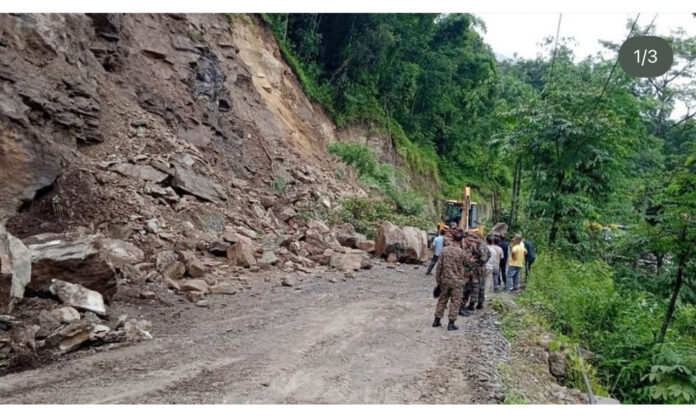
The discussion focused on Sikkim’s strategic position along international borders and the impact of infrastructure vulnerabilities on both civilian movement and defence logistics. Subba pointed to the continuing effects of the October 2023 Teesta flash floods, particularly the disruption of the North Sikkim Highway. While traffic has been partially restored through a temporary route constructed by the Border Roads Organisation between Mangan and Naga, he noted that the alignment cuts through an active landslide zone, raising concerns over its long-term reliability.

The MP sought early clearance for a permanent alternative alignment to ensure stable, all-weather access to northern sectors of the State. He also highlighted broader infrastructure risks, including the fragile condition of National Highway-10, Sikkim’s sole surface link to the rest of the country, and delays in making Pakyong Airport fully operational.

In addition to connectivity issues, Subba placed on record several long-pending matters related to social and political representation, including demands concerning Scheduled Tribe status for certain communities, Assembly seat reservations for Limboo and Tamang communities, and facilitation of the proposed visit of the 17th Karmapa to Sikkim.

The Defence Minister acknowledged the points raised and indicated that the matters would be reviewed in coordination with the relevant Ministries and agencies.

CM PS Golay Raises Sikkim’s Fiscal, Border Infrastructure Concerns at Pre-Budget Meet

0

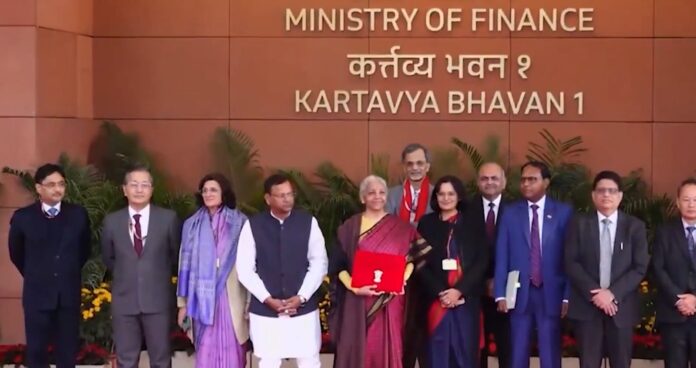
Chief Minister Shri Prem Singh Tamang (Golay) attended the Pre-Budget meeting chaired by the Hon’ble Union Finance Minister Smt. Nirmala Sitharaman in New Delhi, in the presence of Union Minister of State for Finance Shri Pankaj Chaudhary, Chief Ministers and Finance Ministers from various States, and senior officials of the Central and State Governments.

During the deliberations, the Chief Minister presented Sikkim’s perspective as a small border State facing unique geographical, strategic, and fiscal challenges. He highlighted the State’s key development priorities and emphasised the need for sustained support for capital investment, stability in financial devolution, and greater flexibility for smaller States.

CM Golay drew attention to critical issues related to connectivity, infrastructure resilience, employment-generating sectors, and the smooth transition of welfare programmes. He also underscored the strategic importance of border infrastructure and stressed the necessity of continued central assistance to strengthen vital road networks and logistical connectivity.

The interaction was described as constructive and forward-looking, with assurances that the concerns raised would receive due consideration. Reaffirming Sikkim’s commitment to inclusive growth and sustainable development, the Chief Minister stated that the State remains dedicated to contributing meaningfully to the national vision of Viksit Bharat 2047.

Sikkim Ends Physical Permits for Foreign Tourists, Online Clearance Mandatory

0

The Sikkim government has officially discontinued the issuance of physical permits for foreign nationals visiting protected and restricted areas of the state, making online clearance mandatory for all such travellers.

In an official communication issued by the Department of Tourism and Civil Aviation, the state government stated that the decision follows strict directions from the Ministry of Home Affairs (MHA). The directive clearly specifies that no Protected Area Permit (PAP) or Restricted Area Permit (RAP) shall be issued in physical form under any circumstances.

As per the revised guidelines, foreign nationals are permitted to visit only Tsomgo (Changu) Lake in East Sikkim and Yumthang Valley along with Zero Point in North Sikkim, subject to obtaining the necessary online permits through the designated permit cell.

The move is aimed at ensuring stricter compliance with national security norms while streamlining the permit process through digital means.

Sikkim Government Sets January 31 Deadline to Clear Pending Group C & D Regularisation Cases

0

The Government of Sikkim has directed all state departments to fast-track the regularisation of eligible temporary employees under Group ‘C’ and ‘D’ categories who completed four years of continuous service as of December 31, 2023.

The directive follows concerns over delays in implementing an earlier policy decision that aimed to regularise temporary staff working on Work Charged, Muster Roll, Adhoc, and Consolidated Pay bases. While the first phase of regularisation — covering employees eligible as of December 31, 2023 — was initiated nearly two years ago, the process remains incomplete in several departments.

To resolve the backlog, the Department of Personnel has instructed all Secretaries and Heads of Departments to submit pending regularisation proposals by January 31, 2026. The move is intended not only to conclude the first phase but also to pave the way for considering employees who became eligible as of December 31, 2024, in line with existing government policy.

The circular, issued by order of the Government of Sikkim, has been signed by Shri Rinzing Chewang Bhutia, IAS, Secretary to the Government. Copies have been circulated to all concerned authorities, including the Chief Minister’s Office and the Chief Secretary, for immediate compliance and necessary action.

NSE’s Growing Investor Base Strengthens Household Wealth Creation in 2025

0

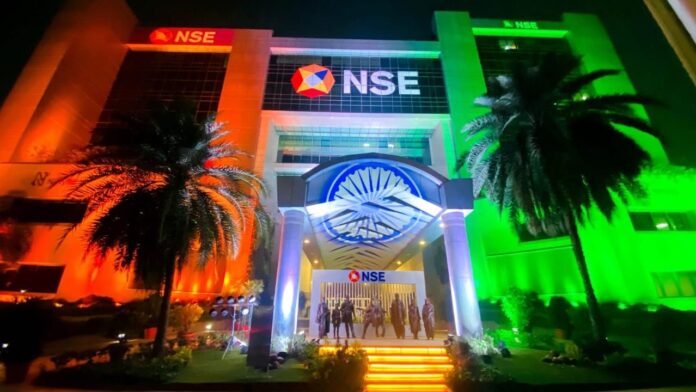
India’s participation in capital markets continued to deepen in 2025, with the National Stock Exchange of India (NSE) recording strong growth in its investor base and reinforcing the role of equities in long-term wealth creation.

As of December 19, 2025, NSE had 12.4 crore unique investors, with 24.4 crore investor accounts in total. During the year, 1.5 crore new investors joined the market, reflecting growing trust in equity markets as a preferred avenue for savings and investments.

The National Stock Exchange of India (NSE) plays a key role in enabling long-term wealth creation by connecting millions of households to India’s growing economy through transparent and well-regulated capital markets. Investor participation expanded across all regions of the country, with growth extending well beyond major metropolitan centres. States such as Uttar Pradesh, Maharashtra, Gujarat, Tamil Nadu and West Bengal led new investor additions, while several smaller and North-Eastern states also recorded healthy growth, pointing to rising financial awareness and improved market access.

India’s equity markets continued to support household wealth creation during the year. The total market value of NSE-listed companies rose to ₹469 lakh crore, underlining the expanding scale of India’s listed economy. Market indices delivered steady returns despite global uncertainties, with the Nifty 50 delivering over 11% returns on a total return basis in 2025, helping long-term investors grow their wealth through disciplined market participation.

Primary markets remained active in 2025, offering investors opportunities to participate in India’s corporate growth. During the year, 213 companies were listed on NSE, raising close to ₹1.77 lakh crore, with retail investors continuing to play an important role across both Mainboard and SME IPOs.

NSE also significantly expanded its Investor Awareness Programmes, reaching nearly 1.2 crore participants across the country, with special focus on encouraging women investors and first-time participants. To further strengthen investor confidence, the Investor Protection Fund grew to over ₹2,750 crore, reinforcing safeguards for market participants.

With a rising investor base, growing awareness, and a strong regulatory framework, NSE continues to help Indian households build long-term wealth and participate in India’s economic growth.

Ricky Kej Rings NSE Bell Alongside MD & CEO, Highlights Exchange’s Role in Advancing Viksit Bharat

0

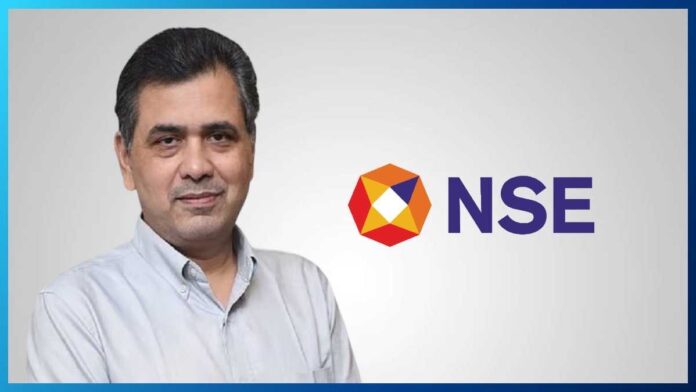
Ricky Kej, 3-time Grammy Award Winner, United Nations Goodwill Ambassador (UNCCD) and Padma Shri Awardee, recently visited the National Stock Exchange of India (NSE) headquarters, where he rang the ceremonial NSE bell alongside the Managing Director & CEO, Shri. Ashishkumar Chauhan.

During the visit, Shri. Kej shared his appreciation for the Exchange’s pivotal role in strengthening India’s financial ecosystem and contributing to the nation’s journey towards the vision of Viksit Bharat, which envisions India’s transformation into a developed nation through sustainable economic growth, inclusive development, technological innovation, and strong institutions by 2047.

Speaking on the occasion, Shri. Ricky Kej said,
“It is a huge honour to visit the National Stock Exchange and ring the iconic NSE bell alongside the MD & CEO. The NSE is the backbone of India’s financial system and plays a vital role in nation-building. I fully support NSE and its efforts towards strengthening India’s growth story and the vision of Viksit Bharat.”

National Stock Exchange of India Limited (NSE) is India’s leading stock exchange and a global pioneer in technology-driven, electronic trading with a fully integrated market infrastructure.

Ricky Kej is a 3-time Grammy®️ Award Winner, Padma Shri Awardee, United Nations Goodwill Ambassador (UNCCD), and internationally renowned Indian music composer and environmentalist who has performed at prestigious venues in over 35 countries, including the United Nations Headquarters in New York and Geneva.

CAG Audit Exposes Crores in Fraud, Loan Diversion in State Bank of Sikkim

0

The Comptroller and Auditor General (CAG) of India has uncovered serious financial irregularities and systemic failures at the State Bank of Sikkim (SBS), involving direct cash frauds, questionable loan sanctions, mounting non-performing assets (NPAs), and the transfer of crores of rupees into personal bank accounts of SBS employees, as detailed in its Performance Audit for the year ending March 2023.

One of the most alarming findings is Table 5.1 of the audit, which records ₹3.64 crore deposited into the personal accounts of 35 SBS employees by bank loanees, based on management’s own records. The beneficiaries include officials across the hierarchy, ranging from Ex-Chairman K.B. Chamling (₹5 lakh), CGM S.R. Karki (₹26.58 lakh), AGM Reena Basnett Rai (₹28.20 lakh), Senior Manager Sunil Kumar Tamang (₹20.42 lakh), to Manager Susan Sharma (₹1.43 crore). Several Assistant Managers, Accounts Assistants and Junior Accounts Assistants were also recipients. CAG flagged these transactions as a serious violation of banking norms, as employees are prohibited from receiving money from borrowers due to conflict-of-interest risks.

In addition to these deposits, the audit revealed direct branch-level cash frauds. One of the clearest cases emerged at Phodong Branch where a cash shortage of ₹10.41 Lakh was detected in October 2020. The amount was fraudulently withdrawn by the Branch Manager-in-Charge by filling withdrawal slips in his own name without making entries in the Core Banking System. Although the entire amount was later recovered, the officer was merely downgraded instead of being dismissed, highlighting lenient disciplinary action.

At Namthang Branch a more serious misappropriation of ₹13.80 lakh was uncovered. The late Branch Manager, along with a cashier and assistant manager, withdrew money from customer accounts without authorisation. Only ₹3.50 Lakh been recovered so far, leaving the majority of the amount unrecovered even after several years.

Another major fraud occurred at Mangalbaria Branch, where a Junior Accounts Assistant, in connivance with the Branch Manager, misappropriated ₹27.57 lakh by illegally withdrawing funds from customer accounts. Alarmingly, the Branch Manager had earlier faced similar allegations in another branch but was reinstated without conclusion of inquiry 

The audit further exposed large-scale loan irregularities. SBS sanctioned loans worth ₹913.37 crore to government departments and public sector undertakings, out of which ₹555.93 crore became NPAs. A major exposure was to Sikkim Power Investment Corporation Limited (SPICL), which received ₹209.27 crore despite weak repayment capacity. Outstanding dues against SPICL later rose to ₹338.50 crore, with recovery remaining uncertain.

Loans to private borrowers were also flagged. Several projects, including stone crushers, dairy units and construction ventures, received loans ranging from ₹2 crore to ₹6 crore, but were either non-functional or incomplete. Repayments were negligible, leaving crores outstanding.

CAG also highlighted excess commission payments of ₹3.16 crore to collection agencies, arbitrary One-Time Settlements causing a loss of ₹5.51 crore, and suspicious high-value transactions worth ₹4.19 crore routed through staff accounts, pointing to weak anti-money laundering controls.

Taken together, the findings reveal deep-rooted banking administration failures, including poor due diligence, lack of post-sanction monitoring, ineffective internal audits, and weak disciplinary action. The audit has raised serious concerns over the safeguarding of public money and accountability at Sikkim’s only state-owned bank, calling for urgent corrective measures and strengthened oversight.

Sberbank–NSE Initiative Gives Russian Investors Access to Indian Market

0

Sberbank, Russia’s largest bank, along with JSC First Asset Management, has launched a new mutual fund called First–India. The fund allows Russian retail investors to invest in India’s stock market by tracking the performance of the Nifty50 Index — NSE’s benchmark index made up of the country’s top 50 companies by market capitalization. The launch was announced at the National Stock Exchange of India during Sberbank CEO and Chairman of the Executive Board Herman Gref’s business visit to India. 

The Nifty50 is one of the world’s most widely followed stock market indices. It includes 50 large, liquid companies across 15 major sectors of the Indian economy. More than 45 funds in India and 22 funds abroad track the Nifty50 Index. Launched in 1996, the index will mark its 30th anniversary on April 22, 2026.

Ashishkumar Chauhan, MD & CEO, NSE: “We are pleased to support Sberbank in launching Nifty50-linked investment solutions that strengthen capital flows and open India’s equity growth to Russian investors through a trusted benchmark. This initiative reflects strong confidence in India’s markets and deepens the India–Russia financial cooperation. NSE is committed to partnering with Sberbank to enhance market connectivity, uphold regulatory and investor-protection standards, and build liquidity and transparency for these products as we create new opportunities for investors in both countries.”

Herman Gref, CEO and Chairman of the Executive Board, Sberbank: “We are opening another window of investment opportunities for our Russian clients, this time to South Asia. Our new product provides a convenient way to gain exposure to one of the world’s key economic markets—the Indian stock market. Until now, no straightforward options existed for Russian investors seeking personal investments in Indian assets. However, we have created a new and efficient financial bridge between the two countries.”

NSE is India’s largest stock exchange and a key platform for trading, investment products, and market innovation.