Monday, August 24, 2026
Home Blog Page 3

Gajraj Corps Hosts “Sonitpur SAMVAD” to Strengthen Military -Civil Synergy

0

Gajraj Corps organised a Military-Civil Fusion Seminar titled “Sonitpur SAMVAD” at Tezpur on Monday, bringing together senior officials from the armed forces, civil administration, healthcare, education and law enforcement sectors to strengthen institutional collaboration and regional development initiatives.

Held under the theme “Samoohik Prayas Se Rashtranirman” and guided by the principle of “Rashtra Sarvopari,” the seminar focused on enhancing synergy between military and civil institutions through coordinated efforts and shared national objectives.

The acronym SAMVAD stands for Samanvay, Aatmanirbharta, Mansik Dridhta, Vishwas aur Vikas — Amritkaal ka Lakshya, Dhyeya Sarvopari.

The event was attended by several prominent dignitaries, including the Vice Chancellor of Tezpur University, Inspector General SSB, Inspector General Sonitpur Range, Divisional Forest Officer, Deputy Inspector General of Police, Chairman of the Bar Council and Municipality, representatives from private hospitals and the medical fraternity, Principal of the Skill Development Centre Mangaldoi, and Additional Deputy Commissioners of Tezpur and Missamari, among others.

Addressing the gathering, the General Officer Commanding (GOC), Gajraj Corps, highlighted JAI — Jointness, Aatmanirbharta and Innovation — as the guiding framework for building a secure and future-ready India in line with the vision of Viksit Bharat 2047.

The GOC emphasised the need for coordinated action, institutional convergence and time-bound implementation of developmental initiatives to enhance regional resilience and national progress.

A key highlight of the seminar was the signing of a Memorandum of Understanding (MoU) between the Lokopriya Gopinath Bordoloi Regional Institute of Mental Health (LGBRIMH) and Army hospitals under Gajraj Corps. The agreement aims to strengthen mental healthcare support through joint clinical services, professional training, research collaboration and community outreach programmes.

Officials said the initiative reflects a growing emphasis on integrated development and collaborative nation-building, while also underscoring the importance of mental well-being in strengthening societal resilience.

A Sikkimese Moment — And What It Really Means

0

-By : Dilli Ram Thapa

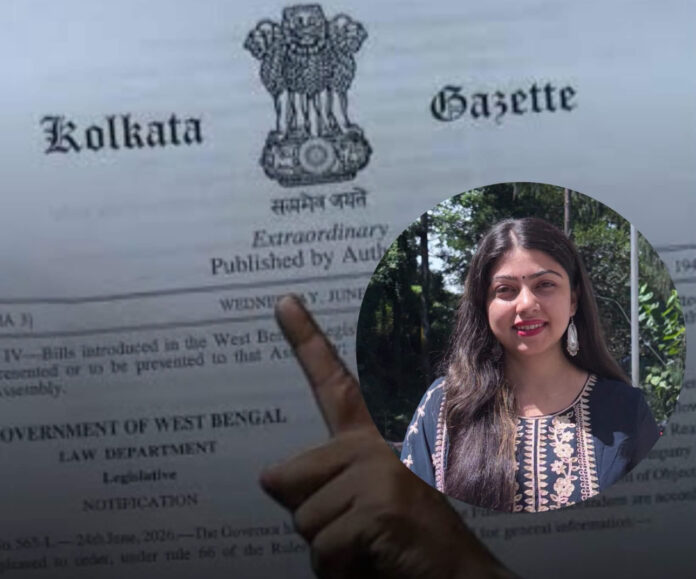
I was in the middle of something ordinary when I heard the news; Justice Meenakshi Madan Rai name being recommended by the Collegium of the Supreme Court for elevation as Chief Justice of the Patna High Court. The first woman judge from Sikkim to reach that position.

I stopped what I was doing; not because I was surprised — those of us who have known Justice Rai’s work, knew this day would surely come. But because moments like this have a way of making you reflect on where you come from and what your home is quietly made of.

I have practised law for the greater part of my adult life. I have appeared in courtrooms, advanced arguments, and scrutinised judgments; I have observed the law both performing its designated function and, on occasion, falling short. For me, the law is not an abstraction but a living instrument that shapes concrete outcomes. It can determine whether a family retains its land or loses it, whether a right is robustly vindicated or quietly extinguished.

So when I say Justice Rai’s elevation means something to me personally — I mean it in a way that goes beyond politics. I mean it as someone who has spent years in the same world she has devoted her life to.

Sikkim is a small state. People outside often forget we exist until something remarkable happens here. And then they notice — briefly — before moving on.

But those of us who live here know something they don’t.

This state has produced extraordinary people with extraordinary consistency. Our soldiers serve at the hardest postings, our civil servants carry responsibilities far larger than our numbers would suggest, and now, one of our own sits at the head of a High Court in one of India’s most significant states.

We punch above our weight. We always have. The question I keep asking myself is — do our institutions reflect that? Do our leaders reflect that?

I think about this often. Especially now.

Sikkim has a unique constitutional identity. Article 371(F) is not just a legal provision — it is the architecture of who we are. It protects our land, our people, our way of life, and it requires — it demands — leadership that understands it. Not just as a political talking point. As a living, breathing commitment.

I have spent years studying and practising the law. I understand what these protections mean in practice. I understand what happens when they are eroded slowly, quietly, without anyone noticing until it is too late. I understand because I have seen it happen to others — and I have spent my career making sure it does not happen here.

That is not a political position. That is a personal one.

Justice Meenakshi Madan Rai will take her seat at the Patna High Court and she will dispense justice with the same integrity she has always shown. Sikkim will cheer from a distance — as we always do for our own.

But I hope this moment also makes us ask a harder question. Not just — who are we producing? But — are we being led by people who understand what we are?

A state with Sikkim’s history, Sikkim’s protections, and Sikkim’s potential deserves more than administration. It deserves leadership rooted in principle. Leadership that knows the law not from a briefing note, but from the inside.

I am proud of Justice Rai. I am proud of Sikkim.

And I believe — deeply — that the best of this state is still ahead of us.

Dilli Ram Thapa is President of BJP Sikkim and an Advocate of the High Court of Sikkim.

NSE Commences Trading in Electronic Gold Receipts (EGRs)

0

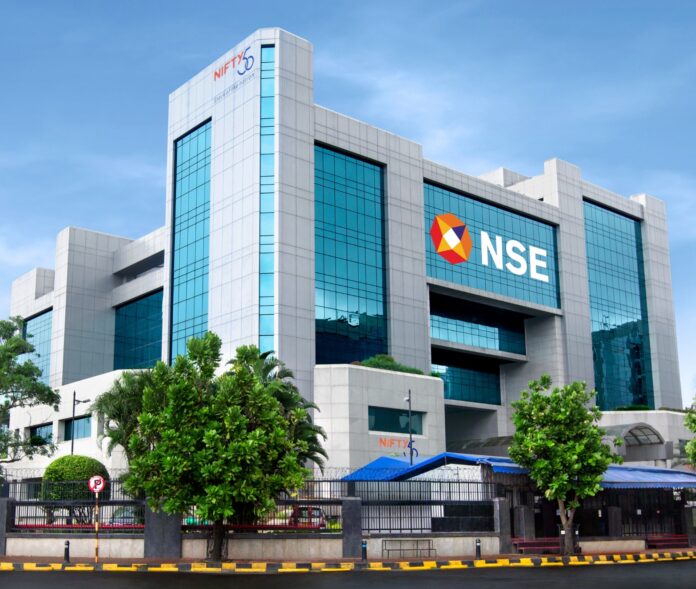
The National Stock Exchange of India (NSE) has commenced live trading in the Electronic Gold Receipts (EGR) segment with effect from 18 May 2026. The launch follows a comprehensive mock trading exercise conducted on Saturday, 16 May 2026, which was completed successfully without any errors or system exceptions. Live trading has accordingly commenced seamlessly, with all systems functioning as designed.

The Exchange has received an overwhelming response to the EGR product from market participants and the broader ecosystem. Key updates are as follows:

• Vaulting and Collection Centres are currently operational at Ahmedabad and Mumbai.

• Four additional centres at Delhi, Kolkata, Chennai and Bangalore are being activated effective 18 May 2026.

• The Exchange will announce further centres in a phased manner, with the network expected to expand to 120 centres across the country over time.

The Exchange thanks market participants, intermediaries and ecosystem partners for the overwhelming response received towards the launch of EGRs.

Established in 1994, National Stock Exchange of India (NSE) is India’s largest stock exchange by turnover and the world’s largest derivatives exchange by trading volume (FIA 2025).

Raju Bista Emerges as Strong Voice of Unity and Development in North Bengal

0

Gorkhas have always been known for their courage, discipline, and dedication. But beyond bravery, the Gorkha community is also respected for its unity, peaceful nature, and the love it shares among all communities. Today, one name that is increasingly being discussed in North Bengal politics is Darjeeling MP Raju Bista — a Gorkha leader who many believe has worked not only for the Gorkha community but also for the nation.

India is a country celebrated for its “Unity in Diversity.” From the hills of Darjeeling to the valleys of Kashmir, every region carries its own identity while contributing to the strength of the nation. Darjeeling and the adjoining Siliguri Corridor, popularly known as the “Chicken Neck” of India, hold immense strategic importance because the narrow corridor connects the northeastern states with the rest of the country and lies close to Nepal, Bhutan, and Bangladesh.

In such a sensitive region where geopolitics plays an important role, Raju Bista has emerged as a leader capable of bringing communities together. As the MP of Darjeeling, he represents a constituency where Gorkhas, Adivasis, Rajbanshis, Bengalis, and several other communities live together while also carrying long-standing political aspirations.

Many supporters and political observers describe Raju Bista as one of the key strategists behind the BJP’s strong performance in West Bengal, especially in North Bengal and the hills. During the recent elections, the BJP secured major victories in the region, something many people connect with Bista’s leadership, confidence, and connection with the public.

Since becoming MP, Darjeeling and the adjoining Siliguri region have witnessed increased focus on development, connectivity, and public welfare projects. Supporters believe his efforts toward maintaining peace in politically sensitive areas and his stand against corruption have strengthened his image as a disciplined and development-oriented leader.

The growing public support for him has also sparked discussions on social media about giving him a larger political responsibility in the future.

For many in North Bengal, Raju Bista represents a leader who believes in development, communal harmony, and national unity. His politics reflects the slogan often associated with his party’s ideology — “Nation First, Party Next, Self Last.”

Today, Raju Bista stands as a symbol of dedication, courage, and public service — a proud son of the Gorkha community whose commitment toward peace, development, and public welfare continues to inspire many people across the region.

(Originally Written by Roshni Sharma Bhattarai, The Sikkim Today)

From Hockey Captain to Kalimpong MLA: Is Bharat Chettri Set to Become Bengal’s First Sports Minister?

0

The 2026 West Bengal Assembly elections have not only reshaped the political landscape of the state but also opened the door for a historic moment for the Gorkha community. As the Bharatiya Janata Party (BJP) prepares to form the new government on May 9, coinciding with the auspicious occasion of Rabindra Jayanti, one name has emerged strongly in political discussions across the hills and plains — Bharat Kumar Chettri.

The former captain of the Indian National Hockey Team and newly elected BJP MLA from Kalimpong is now being seen as a possible face for the Sports Ministry in the new Bengal government. If appointed, Bharat Chettri could become the first-ever Gorkha Sports Minister in the history of West Bengal.

The BJP’s performance in the hills this election has been historic. The party secured all five Gorkha-dominated seats with strong margins, marking a major political shift in the region. Kalimpong, once considered a difficult constituency for the BJP, witnessed a breakthrough victory under Bharat Chettri’s leadership. His win made him the first BJP MLA from Kalimpong, a strategically important Himalayan town bordering Sikkim and located close to Bhutan and the sensitive Chicken’s Neck corridor.

For many in the hills, Bharat Chettri represents more than politics. He is widely respected as a sports icon who carried the Indian flag on international platforms and brought pride to the Gorkha community through hockey. Known for his disciplined lifestyle and clean public image, Chettri has become a symbol of inspiration for the youth.

Senior BJP leaders, including Darjeeling MP Raju Bista and Assam Chief Minister Himanta Biswa Sarma, repeatedly described him during the election campaign as the “pride of the Gorkhas” and a national sports figure. Their statements have strengthened speculation that Chettri may be considered for an important role in the state cabinet.

Beyond politics, Bharat Chettri has also focused on promoting sports culture in the hills. He established a hockey academy in Kalimpong with the aim of encouraging local youth to pursue sports professionally. Supporters believe that if he becomes Sports Minister, it could bring new opportunities for young people in the Himalayan region and help steer many away from social issues such as drug abuse and unemployment.

Kalimpong itself holds immense cultural and strategic importance. Surrounded by natural beauty and sharing close links with Sikkim and neighbouring Himalayan regions, many residents feel the town has long remained neglected in mainstream Bengal politics. Chettri’s rise is now being viewed as a chance to place Kalimpong and the Gorkha community at the centre of Bengal’s political and developmental map.

The BJP has projected its new government as the beginning of a “new Bengal,” promising development, safety, and stronger representation for neglected communities. For the Gorkhas, the possibility of seeing one of their own in the state ministry has created a sense of pride and hope.

From leading India’s national hockey team to leading a political transformation in Kalimpong, Bharat Kumar Chettri’s journey has already become historic. The only question now is whether the former captain is set to score another milestone by becoming Bengal’s first Gorkha Sports Minister.

(Originally Written by Roshni Sharma Bhattarai, The Sikkim Today)

NSE Launches Electronic Gold Receipts (EGRs) to Strengthen India’s Gold Ecosystem

0

The National Stock Exchange of India Limited (NSE) has launched Electronic Gold Receipts (EGRs) as a new trading segment—marking an important step towards making India’s gold market more transparent, efficient, and organised.

With this launch, NSE aims to bridge the long-standing gap between physical gold and financial markets by offering a secure, regulated, and technology-driven platform for trading gold.

Electronic Gold Receipts (EGRs) are digital certificates that represent ownership of physical gold. The actual gold is safely stored in SEBI-accredited vaults, while investors can hold and trade it electronically through their demat accounts. Each EGR is fully backed by real gold, ensuring trust and authenticity.

With this move, NSE aims to build a transparent and efficient gold trading ecosystem, enabling better price discovery, wider participation, and increased confidence among stakeholders such as jewellers, refiners, traders, and institutional investors.

In a key milestone, NSE also successfully converted a 1000-gram gold bar into an Electronic Gold Receipt, demonstrating how physical gold can be seamlessly transformed into a secure, tradable digital asset. This highlights the operational readiness of the EGR framework and its ability to support efficient, delivery-backed gold trading.

Shri Sriram Krishnan, Chief Business Development Officer (CBDO), NSE, said:
“The introduction of Electronic Gold Receipts at NSE marks a pivotal evolution in how India interacts with its most cherished asset. By leveraging NSE’s robust technology and liquidity framework, we are democratizing access to gold, enabling investors across the nation to trade with unprecedented transparency and confidence. We believe that by creating a seamless, secure, and digital pathway for gold investment, we are positioning gold as a modern, integrated asset class within our capital markets, ultimately reducing dependence on fragmented benchmarks and fostering deeper financial inclusion.”

By enabling electronic holding, assured quality, and easy conversion between physical and digital gold, EGRs make it possible for investors to participate in the gold market—even in smaller quantities. This brings greater flexibility and liquidity, similar to other financial instruments held in demat form.

The National Stock Exchange of India Limited, established in 1994, is India’s largest stock exchange by turnover and the world’s largest derivatives exchange by trading volume (FIA 2025).

PM Modi Calls Sikkim ‘Heaven of the East’, Highlights Tourism & Connectivity at 50th Statehood

0

Prime Minister Narendra Modi on Tuesday celebrated Sikkim’s 50th statehood anniversary in Gangtok, describing the state as the “Heaven of the East” while praising its natural beauty, peaceful environment, and strong cultural harmony.

He began the day on a light and engaging note by playing football with local youngsters, sharing moments that reflected his connection with the people before moving on to official programmes. Later, he addressed a large gathering at Paljor Stadium, where the golden jubilee celebrations were held with great enthusiasm.

Congratulating the people of Sikkim, the Prime Minister highlighted the state’s remarkable journey over the past five decades. He praised its commitment to preserving nature while achieving steady development. Referring to Sikkim’s rich biodiversity, he made special mention of its orchids, saying that anyone who has not seen them “has not seen anything,” underlining the state’s immense tourism potential.

PM Modi also appreciated the unity among the people, noting that Sikkim stands as an example of harmony where diverse communities come together, especially during such important celebrations. He expressed happiness at being able to attend the event, recalling that an earlier visit had to be cancelled due to bad weather.

The Prime Minister’s visit followed a grand celebrations on Monday evening, when thousands of people lined the streets of Gangtok during his roadshow. The atmosphere was vibrant, with citizens waving the national flag and welcoming him with traditional music and cultural performances.

Emphasising development, PM Modi spoke about the importance of strengthening infrastructure in the region. He highlighted the Sevoke–Rangpo railway project as a key initiative that will connect Sikkim to the national railway network, making travel easier and boosting tourism and economic opportunities.

Reaffirming the Centre’s commitment, the Prime Minister assured continued support for Sikkim’s growth and development. As the state marks 50 years of statehood, his visit added to the celebrations, reflecting both pride in the past and confidence in the future.

NSE Investor Base Crosses 13 Crore; Assam and North East Among Fastest-Growing Regions

0

The investor base on the National Stock Exchange of India (NSE) has crossed the landmark 13 crore (130 million) unique investors as of April 27, 2026, reflecting the rapid expansion and deepening of India’s capital markets. NSE, India’s largest stock exchange by turnover, continues to play a pivotal role in driving financial inclusion and investor participation across the country.

The total number of client accounts registered with the Exchange has reached 25.7 crore, highlighting growing investor engagement across segments. Over the past five years (FY21–FY26), the investor base has expanded at a robust CAGR of 26.4%, significantly higher than the 15.2% growth recorded in the previous five-year period. This acceleration has been supported by increased digital access, simplified onboarding processes, and sustained investor awareness initiatives.

A key highlight of this growth story is the rising participation from the North Eastern region, which has emerged as one of the fastest-growing markets for investor inclusion. States such as Mizoram (8.7x), Arunachal Pradesh (7.9x), and Assam (6.9x) have recorded multi-fold growth in investor base since FY21, reflecting the expanding reach of capital markets into Tier 2, Tier 3, and Tier 4 cities.

Assam alone now accounts for approximately 51.5 lakh (5.15 million) registered investors, underscoring the state’s growing contribution to India’s evolving retail investor landscape. This surge highlights increasing financial awareness, improved digital access, and the success of investor education initiatives in bringing first-time participants into the formal capital market ecosystem.

The broad-based nature of this growth is evident, with states beyond the top 10 contributing 27% of the total investor base, signalling a clear shift towards emerging regions such as the North East. The region continues to stand out, led by strong multi-fold growth across states like Mizoram (8.7x), Arunachal Pradesh (7.9x), and Assam (6.9x). The investor profile is also evolving, with a median age of 33 years, nearly 40% below 30, and one in four investors being women, reflecting deeper and more inclusive participation.

India’s capital markets continue to deliver steady value, with benchmark indices generating annualised returns of 10.8% (Nifty 50) and 13.3% (Nifty 500) over the past five years. The market capitalisation of NSE-listed companies has grown at a CAGR of 18%, reaching ₹460.6 lakh crore, contributing significantly to household wealth creation.

With investor presence now spanning 99.85% of India’s pin codes, the democratisation of capital markets is clearly underway. The strong and sustained momentum in the North East underscores its emergence as a key growth frontier, reflecting rising financial awareness, improved access, and increasing participation from first-time investors across the region.

The National Stock Exchange of India (NSE), established in 1994, is India’s largest stock exchange by trading volume and a global leader in derivatives trading.

Indian Army conducted a Mega Veterans Rally Strengthening Connect with Ex-Servicemen Community

0

Spearhead Division of Spearcorps organised a large-scale Veterans Rally on 26 April 2026, in close coordination with the State and District Administrations of Assam and Arunachal Pradesh. The event witnessed an overwhelming participation of over 1,500 veterans, Veer Naris, serving soldiers, Next of Kin (NOKs) and dependents, reflecting the strong bond between the Armed Forces and its veteran fraternity.

The primary objective of the rally was to reach out to veterans and address key concerns, including pension disbursement anomalies, land and legal matters and other challenges faced by veterans and their families.

The Hon’ble Governor of Arunachal Pradesh, Lt Gen KT Parnaik (Retd), graced the occasion as the Chief Guest and addressed the gathering. Representatives from Rajya Sainik Board Itanagar, Zila Sainik Welfare Offices of Dibrugarh and Lakhimpur, PCDA Guwahati, ECHS, Record Offices, along with officials from state and district administration, government agencies and various banks present at the venue actively assisted veterans in resolving grievances and provided necessary guidance and support.

Veterans were also sensitised about resettlement schemes, second career avenues and re-employment opportunities facilitated by the Army Welfare Placement Organisation (AWPO). A comprehensive medical camp was organised to cater to the healthcare needs of attendees.

On this occasion, Veer Naris, Veer Matas, Veer Putris, special children and distinguished veteran achievers were felicitated by the Chief Guest in recognition of their resilience and contributions.

In his address, the Hon’ble Governor highlighted the invaluable contributions of veterans and the supreme sacrifices made by soldiers in service to the nation. He also spoke on pension-related issues, welfare schemes and lauded the wholehearted support of the civil administration in successfully conducting the rally.

Adding vibrancy to the event, a cultural programme was presented by students of Sainik School Ruksin and NCC cadets, showcasing patriotic fervour and youthful energy.

The rally proved to be a significant initiative in addressing routine challenges faced by veterans and Veer Naris. It provided a direct platform for interaction with authorities and reinforced the commitment of the Army and civil administration towards the welfare of the veteran community.

The event concluded on a highly successful note, leaving a lasting positive impact on all participants and further strengthening the bond with the veteran fraternity.k

Sikkim Delegation Meets Union Minister, Seeks Centre’s Support for “Mission Siri”

0

A high-level delegation from the Government of Sikkim, led by Minister for Animal Husbandry & Veterinary Services, Agriculture, Horticulture and Fisheries, Puran Kumar Gurung, called on Union Minister for Fisheries, Animal Husbandry & Dairying, Rajiv Ranjan Singh (Lalan Singh), at his official residence in New Delhi.

The delegation also included Dr. K.T. Bhutia, Principal Director of the Animal Husbandry & Veterinary Services Department, and Dr. Pratik Sharma, Chief Executive Officer of the Sikkim Livestock Development Board.

During the meeting, the Sikkim delegation submitted a Demi-Official (DO) letter addressed to the Union Minister, duly signed by Chief Minister Prem Singh Tamang. The letter outlined a proposal for “Mission Siri,” a flagship conservation initiative aimed at the preservation and promotion of Siri cattle, an indigenous breed significant to the region.

The project is proposed to be implemented by the Sikkim Livestock Development Board under the centrally sponsored Rashtriya Gokul Mission (RGM). The initiative seeks to strengthen breed conservation, improve genetic quality, and enhance the livelihood of farmers dependent on livestock in the state.

The discussions were held in a cordial and constructive atmosphere, with the Union Minister giving a patient hearing to the issues and proposals presented by the delegation. He appreciated the state government’s efforts to conserve indigenous cattle breeds and emphasized the importance of such initiatives in strengthening rural economies and sustainable agriculture.

Assuring full support from the Government of India, the Union Minister expressed confidence in the successful implementation of “Mission Siri.” The meeting concluded on a positive note, reflecting strong cooperation and commitment between the Centre and the State towards advancing livestock development and conservation efforts in Sikkim.