Saturday, October 17, 2026
Home Blog Page 88

PAKISTAN SUPPORT TO TALIBAN

0
PAKISTAN SUPPORT TO TALIBAN

In many ways, the Taliban blitz through Afghanistan, saw the Afghan National Defense and Security Forces crumble. It took the militant group to the gates of Kabul and victory in days instead of weeks or months as the CIA predicted. It also heralds the return of Af-Pak, a hyphenation that Pakistan may no longer rile against.

Many in Afghanistan, India’s diplomatic and intelligence establishments believe that the Taliban’s victory couldn’t have come without active assistance from Pakistan.

HISTORY OF TALIBAN-PAKISTAN RELATIONS:

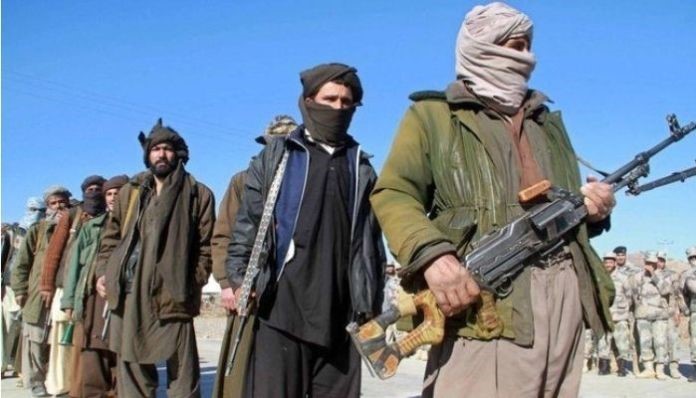
The assertion springs from the long relationship Pakistan has had with the Taliban. From birthing it in 1994, supporting its first takeover of Afghanistan in 1996, to sheltering the fighters and leaders in the aftermath of the post-9/11 US invasion. Even as it claimed to be supporting the US in the “war on terror”.

PAKISTAN’S STATEMENT:

Prime Minister Imran Khan said Monday that Afghanistan had “broken the shackles of slavery”. Many retired and serving generals are exultant that Pakistan will finally have “friends” in the driving seat in Kabul. They have expressed admiration openly for the Taliban.

HOW PAKISTAN HELPED TAKEOVER?

One reason for the Taliban’s swift advance is the ease with which they overpowered the Afghan security forces. Its leadership demoralized by the unseemly haste of the US troop’s withdrawal. But Afghan’s deposed Vice President Amrullah Saleh and other members of the Ashraf Ghani government. Also alleged the Pakistan Army’s Special Forces and the ISI were guiding the Taliban.

While this is not possible to verify, Pakistan’s undeniable contribution has been in providing the Taliban shelter on its territory. All that Pakistan would say in response is that its influence on the Taliban as “overstated”. The safe havens had existed from virtually the start of the US “war on terror” in 2001. The US was aware, however its need for Pakistan as a logistics back end for the war in Afghanistan was greater. Hence, it did not push the Pakistan military sufficiently to act against these safe-havens.

The political leadership of the Taliban camped in the Baluchistan capital of Quetta. It became the revolving door for fighters of Afghan Taliban. Its associated group the Haqqani Network, along with al-Qaeda and a gaggle of other jihadists. They crossed in and out of Afghanistan at will under the benevolent gaze of the Pakistan Army. In the recent Taliban fighting the same safe havens in Pakistan used to launch their attacks in Afghanistan.

Sheikh Rashid’s statement:

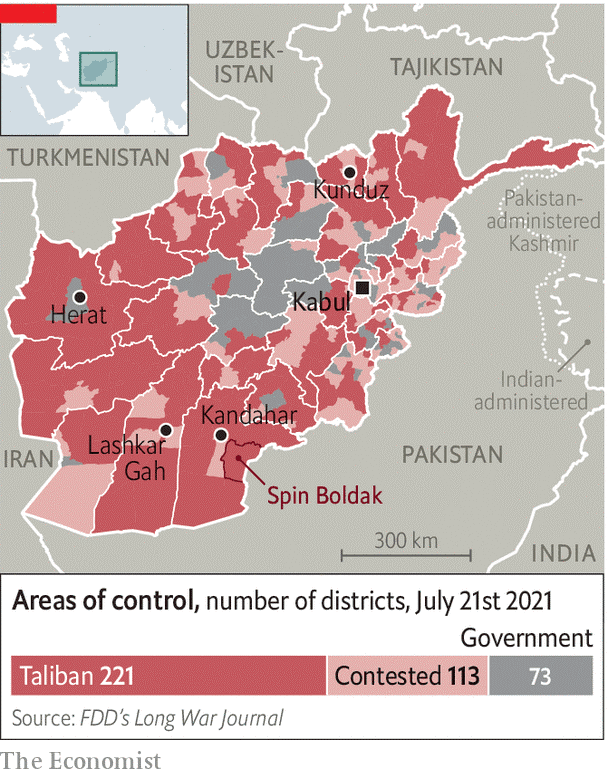
The Spin Boldak conquest by the Taliban saw celebratory motorcycle rallies by Taliban fighters and supporters in Quetta. Sheikh Rashid, a minister in Imran Khan’s cabinet, told Geo News last month that the Afghan Taliban wounded in the fighting were being treated in hospitals in Pakistan. Further, the bodies of dead are sometimes buried in Pakistan where their families live. A July Voice of America report, quoting villagers near Quetta, said funeral prayers were regularly being held for Taliban fighters killed in Afghanistan.

After a video clip of the incident went viral, Peshawar police officials confirmed a funeral rally for a Taliban fighter. There pro-Taliban and pro-Islamic Emirate slogans were also raised.

The Indian security establishment has held that fighters of the Lashkar-e-Taiba, a pet jihadist group of the Pakistan military, fought alongside the Taliban against US and NATO soldiers from at least 2017 onwards.

PAKISTAN AS PROXY:

Over the last three decades, Pakistan has viewed the Taliban as serving various purpose:

  • Taliban regime in Kabul and its umbilical connection with Pakistan would ensure the Pakistan military a free pass over Afghanistan. The territory it coveted for “strategic depth” in its enmity with India. While still ensuring Pakistan agency over Afghan routes into Central Asia.
  • Since 2001, Indian involvement in development activities there, and its increased diplomatic presence, a concern for the Pakistani establishment. This they alleged as “encirclement” by India.
  • Post-2004 Afghan governments headed by Karzai or Ghani, not shy of saying out loud that Pakistan was sheltering the same militants it claimed to be fighting.
  • In response to Pakistan’s denial of a land route to India for trade with Afghanistan, New Delhi began developing the Chabahar port in Iran, with a planned trade corridor via rail to the Iranian border with Afghanistan at Zaranj, with the India-built Zaranj-Delaram highway providing connections to the heart of Afghanistan.

CONCLUSION:

While there is smug satisfaction in Pakistan right now at the proxy victory in Afghanistan, many are also warning of “blowback”. All said and done, Pakistan views itself as a modern Islamic state. Although its generals and political leaders may welcome the second coming of Taliban in Afghanistan. Significant sections, including in the military, are quite clear that their own country must be shielded from the impact.

An immediate fallout would be an influx of refugees, which would be a drain on Pakistan’s slender resources. What is of more concern is that the Taliban’s rise in Afghanistan may fan the fires of extremism in Pakistan. Where an array of jihadist groups — anti-India, sectarian, pro-al-Qaeda, anti-Pakistan —continue to exist despite several purported crackdowns against them.

Also, Read| Taliban In Afghanistan: Threats To India
Taliban In Afghanistan: Threats To India

0
Taliban took over Afghanistan

The Narendra Modi government has not yet commented on events in Afghanistan. A day after Taliban militia took over the Afghanistan Presidential Palace in Kabul and President Ashraf Ghani fled the country. On Monday, top security, Cabinet, Ministry of External Affairs (MEA) and Ministry of Home Affairs (MHA) officials to be in a series of briefings about the situation in Afghanistan and plans for the future.

BRINGING HOME INDIAN NATIONALS

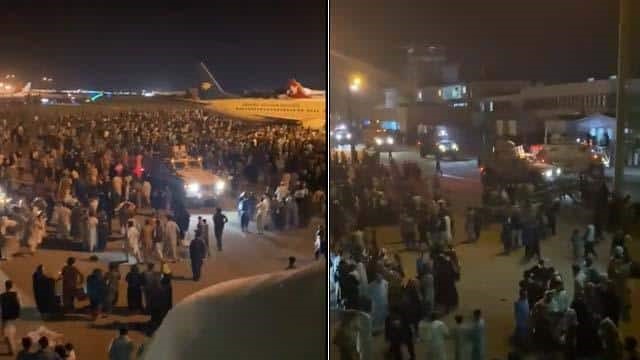
On Sunday, an Air India flight was able to fly out carrying 129 passengers from Kabul to Delhi. However, since then, the chaos at Kabul’s Hamid Karzai International Airport has meant commercial flights are unable to ply. For the moment Kabul airspace closed. Thousands of desperate Afghans seeking to leave the country. The tarmac overrun by people blocking the airplanes from taking off or landing.

India to use its military C-17s to bring back diplomats, security personnel and the remaining Indian nationals from Kabul. However, this is contingent on the road to Kabul airport, manned by Taliban, access into the airport. Secured by the U.S.-led NATO forces, and permission to land flights. According to officials, this remains the government’s 1st priority.

HELPING AFGHANS WHO WANT TO LEAVE

Hundreds of Afghan nationals, many of them allied to the previous Ghani government are seeking to leave the country. They have applied for visas from the Indian Embassy in Kabul. Among them are those with links to India, who have studied or trained here, or with families in India. Even those who could face reprisal attacks from Taliban militia.

While the MEA made a statement on its commitment to facilitate members of the Hindu and Sikh minorities in Afghanistan. No stated policy announced on whether it will welcome all Afghans, as India has done on previous occasions. If the government does accept them, then arrangements for what could be thousands of refugees need to be made.

RECOGNISING TALIBAN REGIME

After talks comprising 12 countries including India, U.N. representatives and Afghan representatives with the Taliban in Doha. A 9-point statement, made it clear that they will “not recognize any government in Afghanistan that is imposed through the use of military force”. Given the situation, where President Ghani left the country, Afghan National Defense and Security Forces put up no resistance. Thus, Taliban fighters walked into Kabul, took control of the Presidential Palace without any bloodshed.

The question now is whether countries like India, U.S., U.K., China, Pakistan, Turkey, Uzbekistan, Tajikistan, Turkmenistan, Germany, Norway, and Qatar, will consider recognition to the Taliban regime.

The decision is particularly difficult for India. As closely allied to the Afghan government, helped build democratic and constitutional processes there. Consider the treatment of women and minorities as integral to those processes. Recognizing a Taliban regime, giving it global legitimacy will be a difficult step for India.

Other questions the government will face are at the U.N. — India is President of the U.N. Security Council this month and must take decisions on whether to convene meetings on Afghanistan’s future, including possible sanctions.

DEALING WITH THE TALIBAN REGIME

Regardless of whether or not India recognizes the Taliban as the legitimate ruler in Afghanistan. The government will have to open channels of communication to engage the Taliban.

In the past few months, security officials and diplomats have made initial, furtive contact with the Taliban in Doha. The MEA said it is engaging “various stakeholders” in Afghanistan. Those links will have to be broadened in order to ensure the safety of Indians and the Embassy in Kabul. However, also logistical requirements, like using Afghan airspace, transit trade, and humanitarian assistance etc. in the future.

Government officials have said that they would not like a repeat of the situation during the IC-814 hijacking. Then India had no ability to contact the Taliban at all.

PROJECTS ACROSS THE COUNTRY

Speaking at the Afghanistan Conference in Geneva in November 2020. External Affairs Minister S Jaishankar said “no part of Afghanistan today is untouched by the 400-plus projects that India has undertaken in all 34 of Afghanistan’s provinces”. The fate of these projects is now up in the air.

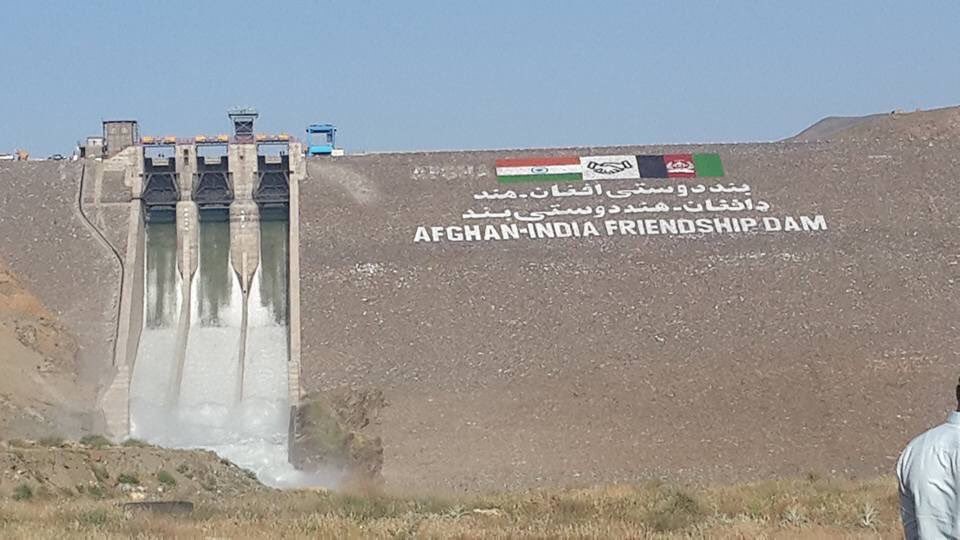
  • SALMA DAM: Already, there has been fighting in the area where one of India’s high-visibility projects is located — the 42MW Salma Dam in Herat province. Inaugurated in 2016, the Afghan-India Friendship Dam. The hydropower and irrigation project, completed against many odds in the past few weeks. The Taliban have mounted attacks in nearby places, killing several security personnel.
  • ZARANJ-DELARAM HIGHWAY: the 218-km Zaranj-Delaram highway built by the Border Roads Organization. The $150-million highway goes along the Khash Rud River to Delaram to the northeast of Zaranj. It connects to a ring road that links Kandahar in the south, Ghazni and Kabul in the east, Mazar-i-Sharif in the north, and Herat in the west. The highway is of strategic importance to New Delhi. As it provides an alternative route into landlocked Afghanistan through Iran’s Chabahar port.
  • PARLIAMENT: The Afghan Parliament in Kabul built by India at $90 million. Opened in 2015; Prime Minister Narendra Modi inaugurated the building. Modi described the building as India’s tribute to democracy in Afghanistan. A block in the building named after former PM AB Vajpayee.
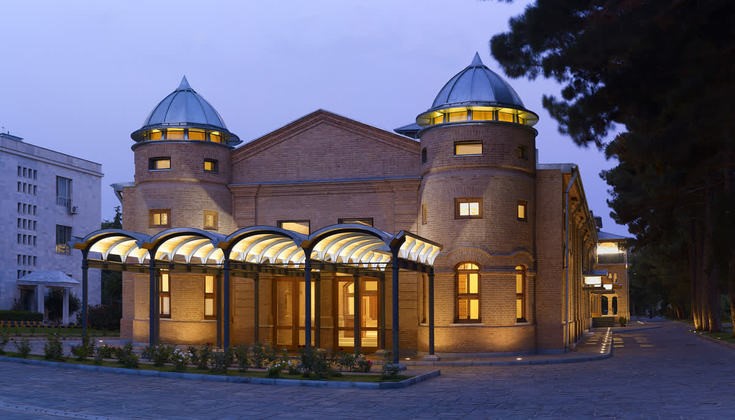
  • STOR PALACE: In 2016, Afghan President Ashraf Ghani and Prime Minister Modi inaugurated the restored Stor Palace in Kabul, originally built in the late 19th century, and which was the setting for the 1919 Rawalpindi Agreement by which Afghanistan became an independent country.

CONCLUSION

The larger questions that the government faces are about how its strategic options in Afghanistan will change given the Taliban’s proximity to Pakistan’s establishment and the concerns that anti-India terror groups could occupy space in Afghanistan to carry out terror attacks against India.

India’s influence with the new government likely to be curtailed as Pakistan’s influence over the Taliban remains strong. Also, the government will have to reconsider whether to now engage Pakistan directly as well. Other strategic issues involving future connectivity, which India had sought to do via Chabahar port in Iran, must also be considered in the longer term.

Also Read| Crackdown On Taliban Associated Social Media

Russia Supporting Taliban, Here’s how

0
"Russia Supporting Taliban"

While many countries are scrambling to empty their embassies and remove their staff from Afghanistan, Russia is staying put. It has long prepared for the arrival of the Taliban in Kabul.

Despite the hardline Islamist group tracing its origins back to the war against the Soviets in the 1980s, Russia’s view on the group now is pragmatic.

RUSSIA’S STATEMENT:

Russia’s ambassador to Afghanistan Dmitry Zhirnov has praised the Taliban’s conduct. Describing their approach as “good, positive and business-like”. Added that the hardline Islamist group had made Kabul safer in the first 24 hours than it had been under the previous authorities.

“The situation is peaceful and good and everything has calmed down in the city. The situation in Kabul now under the Taliban is better than it was under (President) Ashraf Ghani” Zhirnov said.

BUT WHY?

Analysts say the Kremlin wants to protect its interests in Central Asia. As it has several military bases and is keen to avoid instability and potential terrorism spreading through a region on its doorstep.

A Russian foreign ministry statement Monday said the situation in Kabul “is stabilizing”. Further claimed that the Taliban had started to “restore public order”

And Ambassador Dmitry Zhirnov said the Taliban — who he was due to meet Tuesday — was already guarding his embassy. Moreover, had given Moscow guarantees that the building would be safe.

The terrorists had assured the Russians that “not a single hair will fall from the heads” of their diplomats.

This is a stark contrast to the last time hardliners came to power in Afghanistan in 1992. Then Moscow struggled to evacuate its embassy under fire after a disastrous decade-long war. Three decades later, the Kremlin has boosted the Taliban’s international credibility by hosting it several times for talks in Moscow. Despite the movement being a banned terrorist organization in Russia.

YEARS OF COURTING:

Russia’s dialogue with the Taliban is the fruit of several years of courting. Foreign Minister Sergei Lavrov in July described the Taliban as a “powerful force”. Also blamed the Afghan government for faltering progress in talks.

“It is not for nothing that we have been establishing contacts with the Taliban movement for the last seven years,” the Kremlin’s Afghanistan envoy, Zamir Kabulov, told on Monday.

This relationship has raised many eyebrows, given that the Taliban has its roots in the anti-Soviet Mujahedeen movement from the 1980s.

However, Alexander Baunov of the Carnegie Moscow Center said Russia now believed the Taliban have changed since the last time it was in power in the 1990s when it gave shelter to Al-Qaeda. “Moscow does not see this version of the Mujahedeen as its enemy” he told.

CONCLUSION:

Russia’s foreign ministry has suggested it will not rush into a close relationship with a Taliban government, saying it would monitor the group’s conduct before deciding on recognition.

Also, Read| New Addition To The Curriculum

New Addition To The Curriculum

0
How sports is Affiliated to economics.

Sports and schools, just because their initials are similar does not mean they match perfectly. I know you all are a little confused with my statement. Let’s make this clear. Almost every school has sports as a subject in their curriculum but – Do they follow their curriculum seriously? Do schools give enough importance to sports as a subject or as an activity?

We all know the answer i.e., NO 

However, the government has made a big step towards this problem which we have discussed in this article.

NEP 2020:

According to the sources sports will soon be made part of the school education curriculum as a part of New Educational Policy (NEP) 2020. It is good news for sports lovers. Sports is considered as an extra-curricular activity. As a result of which teachers did not consider it as important due to which it happens only once or hardly twice a week. 

Now as a part of NEP 2020 Sports will also be a main part of the curriculum. Also, the sports curriculum will be designed considering the infrastructure of the school.

“You will soon see policy changes that make sports an integral part of school education,” added PM Modi.

[Money control.com] 

CHANGES:

1. The number of hours will be set aside for the sports period each week. Preferences of the students will be noted depending on their interests and aptitude.

2. Infrastructure of the school will also be taken into consideration and for the development of sports infrastructure in schools, crowdfunding will be encouraged.

3. Services of retired athletes would also be taken up for better teaching so that the quality of sports can be improved.

“Schools will be nudged to have an attractive remuneration package for these sports staff, so that students get top quality training,” added another government official.

[Money control.com] 

This is a huge step towards students’ future in sports but this decision has been made today why not earlier. Sport is very important for a person’s well being not only it keeps you fit and healthy but also releases the stress of a person, keeping the children to feel relaxed from all the burdens of their fellow-subjects. Sports improve the personality of a person. 

Well, we are already very well aware of the pros of sports. If this step was taken earlier then today’s situation would have been very different. You never know, maybe today India would have won few more medals in the Olympics. 

Better late than never.

Also, Read| CRACKDOWN ON TALIBAN ASSOCIATED SOCIAL MEDIA ACCOUNTS BEGINS

Crackdown On Taliban Associated Social Media

0
crackdown on Taliban associated social media accounts

After the US Army left Afghanistan, the Taliban-a terrorist organization has taken over the state. They are running a government by forcefully pushing the elected government into exile. Midst of the evolving situations, calls for crackdown on the social media accounts of Taliban has increased all over the globe. Under the US Sanction Laws, the US-based social media companies will to ban or restrict terror affiliated accounts.

The various social media giants questioned intensively on whether they will allow terrorist groups to function on their platforms. In an internet-driven global world, the glorification of terrorist organizations, justification of hate crimes has become common. This justification has led to the normalization of violence in daily lives leading to an increasingly polarized world. 

GOOGLE:

The Alphabet Inc. subsidiary YouTube assured that their platform won’t allow propagation of Talibani perspective. They further said, their long-held policy of restricting accounts working under the Terrorist won’t change. As per some unconfirmed reports, the search engine giant, Google will push Talibani favoring links down in the page rank system. Though they won’t remove any documentary, educational content or artistic works related to the Taliban. 

FACEBOOK:

Mark Zuckerberg owned Facebook had already banned the Taliban many years back on their platform. They would continue on the same stance along with their subsidiary, Instagram. They will either ban or restrict more accounts related to the Taliban in the coming days with the removal of Talibani favoring posts. Through the hiring of local people, they’re identifying and removing posts in local languages praising the Taliban and related organizations. 

Another Facebook Inc. subsidiary, WhatsApp says that due to their message encryption system, it is difficult to control the flow of content. A FB spokesperson told CNBC that, “They will AI systems to identify and evaluate non-encrypted information like profile photos, names and group descriptions”. This will help them detect potentially harmful content and accounts. 

TWITTER:

Unlike other social media giants, Twitter is following a different approach on the crackdown on related accounts. Their approach is being called politically motivated. Twitter told that their platform is used by people for help during rapidly changing times. Hence, they are in turmoil and will enforce rules only if they find violations of their policies. In short, they won’t ban the Taliban from their platform if they follow the rules of the platform. To note that, Donald Trump is still banned from Twitter and the Taliban isn’t. 

TIKTOK AND OTHER SOCIAL MEDIA PLATFORMS:

TikTok banned in India said that, “They consider Taliban as a terrorist group. They would ban any content found video that glorify, promote or even support Taliban”. Above all, several other relatively less popular social media sites like Reddit, Twitch and Koo etc. haven’t disclosed their approaches in dealing with Taliban related accounts.

Also Read| Russia Supporting Taliban, Here’s how

RONGLI THE MAJESTIC BEAUTY

0
"Rongli the majestic beauty"
The beauty of Sikkim’s Rongli can’t be compared by the whole world

ABOUT:

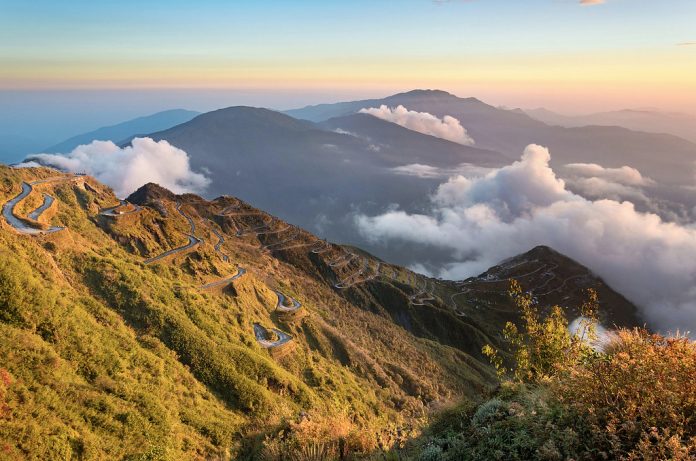
On earth, there is no heaven, but there are pieces of it in. Rongli is one of those pieces of heaven on the earth. It’s is a small village in the eastern parts of the Sikkim. The village is probably one of the most ancient routes towards Kapup and Nathula. Rongli is a beautiful village as well as a beautiful tourist destination. The Rangpo river adds to the beauty of that village.

Rongpo river goes through the heart of the village, hence its name Rongli. It is a very quiet, beautiful, green and village in the middle of the Himalayas. As not many people are familiar with the beauty of village, so tourists are fewer here. Comes. The Rongpo river originates in the middle of the village, the path that divides it, nature reaches Renock by making a walkway with beautiful views. This is another small town in the lap of the foothills.

Rongli is one of the main hubs for investments and significant trade across the village. Also, Rongli is one of the main markets for investment in eastern Sikkim. The major destinations which connect Rongli to the Gangtok are lungthung, Salamidhara, Ghambari falls, Dhupidhara, Keukhola water Falls etc. If you can’t find peace inside, then visit and spend your vacations in the foothills of the place. Nature is the best therapist for any kind of problem, distraction. It is the land of Pristine and Mystic Beauty.

LOCATION AND HOW TO REACH: 

You can reach this place from Siliguri/NJP via Rongpo and You can reach via Kalimpong, Pedong, Reshikhola and Rhenok.

ACCOMMODATION:

As Rongli is a small village, there is only one resort on the bank of the river. It provides a ravishing view of the Rongli River and provides the best and Comfortable stay. The resort offered a variety of Indian and Chinese food and different cuisines of Meat and Egg.

HEALTH PRECAUTIONS AND FACILITIES:

There are Govt. as well as private health facilities available in the Rongli.

KEEP CLOSE TO NATURE’S HEART, RESPECT THE NATURE, CLIMB A MOUNTAIN. SPEND A WEEK IN THE WOOD AND WASH ALL YOUR SPIRIT CLEAN.

Also, Read| New Addition To The Curriculum

WHAT IS A “CODE RED FOR HUMANITY”?

0


A brief history on climate:

Environment issues or climate change never considered to be a major concern. The main agenda was resources available and their usage for economic-social development. Until 1968 when the major attention shifted to the depletion of resources. 

The first earth summit- 1972 – Stockholm:

The first time an action plan for preserving and enhancement of Human Environment on an international level discussed. It was then that light was then shed on the changing climate under the section of identification and controlling of pollutants. The governments warned and asked to keep in mind the magnitude of climate effects and be mindful of activities.

By 1988 the depletion of ozone debated very prominently around the globe, also became the new political agenda. Moreover, that is when IPCC- The Intergovernmental Panel on Climate Change (IPCC) established. With aim for examination of greenhouse and global climate change by UNEP and the World Meteorological Organization. The second world climate conference called for Global action and negotiation to act on the urgency of climate and resource conservation. 

Rio de Janeiro 1992, Brazil:

A new framework, seeking international agreements reflecting a global consensus on development and environmental cooperation to protect the integrity of the global environment in its Rio Declaration and Agenda 21. Agenda 21 is a global action plan, around the globe on the international, national, and local levels. It focused on the protection of the atmosphere linking science, sustainable development, energy development and consumption, transportation, industrial development, stratospheric ozone depletion and transboundary atmospheric pollution.

The Kyoto Protocol 1997, Japan:

The most influential climate action plan took so far. It aimed to reduce the industrialized countries’ overall emissions of carbon dioxide. Along with other greenhouse gases by at least 5 per cent below the 1990 levels in the commitment period of 2008 to 2012.

The Kyoto Protocol cover emissions of the six main greenhouse gases, namely:

• Carbon dioxide (CO2), Methane (CH4), Nitrous oxide (N2O), Hydrofluorocarbons (HFCs), Perfluorocarbons (PFCs) and Sulphur hexafluoride (SF6)

The Kyoto protocol completed its second commitment in 2013-2020, its first commitment ended in 2008- 2012. 

The Paris climate treaty 2015:

It’s a landmark treaty that is a legally binding international treaty on climate change. It aims at limiting global warming below 2, preferably to 1.5 degrees Celsius, compared to pre-industrial levels. Paris agreement focuses on- 

Nationally Determined Contributions (NDCs)- Where by 2020 countries were to submit their climate action plan.

Long-Term Strategies– where countries must formulate and submit by 2020 long-term low greenhouse gas emission development strategies (LT-LEDs). Unlike NDC’S these are not mandatory.

The recent IPCC report-

Secretary-General Calls Latest IPCC Climate Report ‘Code Red for Humanity’, Stressing ‘Irrefutable’ Evidence of Human Influence.

The Working Group I contribution to the IPCC’s Sixth Assessment report, provide policymakers with regular scientific assessments on climate change. Further its implications, and potential future risks, as well as to put forward adaptation and mitigation options. 

AR6 Climate Change 2021:

The Physical Science Basis

The current state of climate- Human activity is a cause of major concern. The report observed. “It is unequivocal that human influence has warmed the atmosphere, ocean and land. Widespread and rapid changes in the atmosphere, ocean, cryosphere and biosphere have occurred.” The increase in mixed GHG’S is due to human activities since 1750. Heatwaves, heavy precipitation, droughts, and tropical cyclones, and their attribution to human influence. Burning of coal, oil, gas, deforestation, increase in livestock farming etc. The heating of the climate system has caused global mean sea level rise. Through ice loss on land and thermal expansion from ocean warming.

Climatic response to global heating:

“Continued global warming is projected to further intensify the global water cycle, including its variability, global monsoon precipitation and the severity of wet and dry events”. Changes in regional atmospheric circulation with projected high-level drought flood extreme weather conditions. Rainfall variability related to the El Niño–Southern Oscillation projected to be amplified by the second half of the 21st century. Delay in monsoon season expected to hamper the Agrarian countries leading to food insecurity.

Increase in CO2 emissions:

The ocean and land carbon sinks, projected to be less effective with the rise in emissions. Many changes due to past and future emissions are irreversible that of deep ocean acidification. Further, the mountain and polar glacier melting will continue and had continued for centuries.

Climate Information for Risk Assessment and Regional Adaptation:

A need to strengthen climate system to understand climate response to the interplay between human influence, natural drivers, and internal variability”. Natural drivers and internal variability will modulate human-caused changes. Especially at regional scales and in the near term, with little effect on centennial global warming. These modulations are important to consider in planning for the full range of possible changes”.

Worldwide – regional climatic change will be witnessed:

“Every region is projected to increasingly experience concurrent and multiple changes in climatic impact-drivers. Changes in several climatic impact-drivers would be more widespread at 2°C compared to 1.5°C global warming and even more widespread and/or pronounced for higher warming levels” the reports state. Major volcanic eruptions, heavy precipitation and associated flooding projected to intensify. For instance, more frequent in most regions in Africa and Asia, North America, and Europe.

Limiting future climate change:

“Limiting human-induced global warming to a specific level requires limiting cumulative CO2 emissions, reaching at least net zero CO2 emissions, along with strong reductions in other greenhouse gas emissions. Strong, rapid and sustained reductions in CH4 emissions would also limit the warming effect resulting from declining aerosol pollution and would improve air quality”. 

By the next 20 years, it’s expected that the earth surface temperature will rise to 2 or beyond. Strict measures regarding emissions are now required in policies by the government globally, earth extreme weather conditions can be reduced. As a result, if the emission rate continues to increase, future the calamities bestowed upon humankind won’t stop. 

Inkclick, a Social Learning Platform collaborates with Kaleidoscope, a mental wellness institution to curate a holistic growth ecosystem for Students

0
"Social learning platforms"

●       As Inkclick’s exclusive mental wellness partner, Kaleidoscope aims to engage with 1700+ stakeholders in Phase 1 

●       Inkclick and Kaleidoscope bring counselling psychologists, students, parents and teachers together for an overall holistic development

New Delhi, August 16th 2021: Kaleidoscope, a unit of Dr. Bakshi’s Healthcare, with deep domain expertise in holistic wellness, has joined forces with Inkclick. It is a digital learning platform to offer growth and comprehensive mental health support to students, parents and educators. With an aim to create a completely new spectrum to the EdTech industry, Inkclick and Kaleidoscope intend to offer growth opportunities –on a single platform for the students who have been facing challenges in Covid-compromised world order. 

With this association, Kaleidoscope aims to offer mental health support to the students across age groups. Along with parents and teachers through a gifted team of clinical and counselling psychologists. The students will get to avail recorded and live courses around various aspects of mental wellbeing. While getting a chance to book a free consultation with expert child psychologists. 

Founder:

Dr JPS Bakshi, Founder of, Kaleidoscope stated, “We are happy to associate with Inkclick to create a platform 

that fosters a healthy childhood for the kids. While the pandemic has taken a toll on the emotional health of children due to lack of social interactions and limited understanding of the restrictions imposed on them, it has also radically altered conventional routines now that the entire family is confined indoors all the time. This collaboration –is an opportunity to address behavioural and emotional problems arising out of this difficult time to ensure inclusive growth for our kids.”

“It is unnatural for adults and children alike – peer interaction is healthy. Social distancing should not lead to social isolation”, he further added.

As per the Indian Psychiatry Society, there was about 20% hike in the number of mental illness cases by March 2020. Since 2020, the situation has become even worse. Students have been going through depressive thoughts, behavioural and emotional disorders, which have severely impacted their growth parameters. Considering these circumstances, Inkclick and Kaleidoscope will allow the students to combat mental health challenges. These include anger management, depression, anxiety and other concomitant emotions.

Co-Founder:

Parul Uppal, Co-Founder, Inkclick said, “We feel that overall personality development of students holds utmost importance since it eventually contributes to the progress of the society and the nation. We, at Inkclick are committed to focus on the growing years of students with its networking and learning propositions that brings the students, parents, teachers and institutes all under one roof . Through our partnership, we aim at providing a completely fresh outlook for holistic development of students while enhancing their talents in the age of digitalization. We intend to transform the base of education by focusing on mental wellness of students.” 

India has one of the largest student populations in the world, approximately 315 million. According to UNICEF, over 1.5 million schools closed due to the COVID-19 wave across the country. This directly impacted students and teachers. 

About Inkclick

Inkclick is India’s first digital social learning platform. It is backed with superior tech infrastructure, specialized faculty members, live interactive classes. Also, is currently one of the most affordable platforms with its no-subscription model. The feature that sets it apart from others is the social networking proposition. There students, parents, teachers and institutions can come together for knowledge sharing purposes. Additionally, the platform promotes vocational education at a national level via digital means. 

About Kaleidoscope

Kaleidoscope, a unit of Dr.Bakshi’s Healthcare, offers mental health support to individuals across age groups through a gifted team of clinical and counselling psychologists. A pioneer in the category, Kaleidoscope offers 100+ wellness programs across four categories – Child & Adolescent Care, Adult Care, Senior Care, and Professional Wellbeing, making it one of India’s largest portfolios of mental health services. With an expert panel of healthcare experts and experienced leadership, Kaleidoscope is on a journey to promote preventive health and holistic wellness through mental health initiatives that will redefine the future of healthcare in India.

***

For further information, please contact:

Nitisha Anand | nitisha@kairosmarcom.com | 8800541282

TALIBAN CAPTURES AFGHANISTAN

0
AFGHAN REFUGEE CRISIS

Afghan President Ashraf Ghani said on Sunday after fleeing the country that the Taliban had won. As the militants entered Kabul – nearly 20 years after they were ousted from power by a US-led invasion. Mr. Ghani left as the insurgents closed in on the capital. Then ultimately entering the city and taking over the presidential palace. To finally, sealing a nationwide military victory in just 10 days.

TALIBAN TAKEOVER

The Taliban have carried out a lightning sweep of the country. With government forces collapsing without the support of the US military, is finalizing its withdrawal in alignment with an August 31 deadline set by President Joe Biden. The insurgents’ imminent takeover triggered fear and panic in Kabul. Moreover, residents are fearful of the group’s hardline brand of Islam, which it imposed during its 1996-2001 rule.

WHAT ASHRAF GHANI SAYS?

“The Taliban have won with the judgment of their swords and guns, and are now responsible for the honor, property and self-preservation of their countrymen,” Mr Ghani said in a statement posted to Facebook, his first since fleeing. “They are now facing a new historical test. Either they will preserve the name and honor of Afghanistan or they will give priority to other places and networks,” he added, saying he left to prevent a “flood of bloodshed”. Mr. Ghani didn’t say where he had travelled to. However, leading Afghan media group Tolo news suggested he had gone to Tajikistan.

TALIBAN’S UPPER HAND IN NEGOTIATIONS

Diplomatic sources predict Ali Ahmad Jalali, a US-based academic and former interior minister, as the head of an interim administration in Kabul. But it is unclear what kind of an interim set-up the militants want. There is also no guarantee that the talks for a peaceful transition of power will succeed. “The best scenario is that the Taliban and the government reach an agreement and Kabul remains peaceful. That will pave the way for a ceasefire and future steps to resolve the conflict,” Nasrullah Stanakzai, a lecture at the University of Kabul, told DW. However, Raihana Azad, a member of the Afghan parliament, believes that even if negotiations succeed, there is no guarantee that the Taliban will “keep their word.” The Taliban were accused of not holding their end of the bargain after they sealed an agreement with the US in February 2020.

WILL THE US INTERVENE?

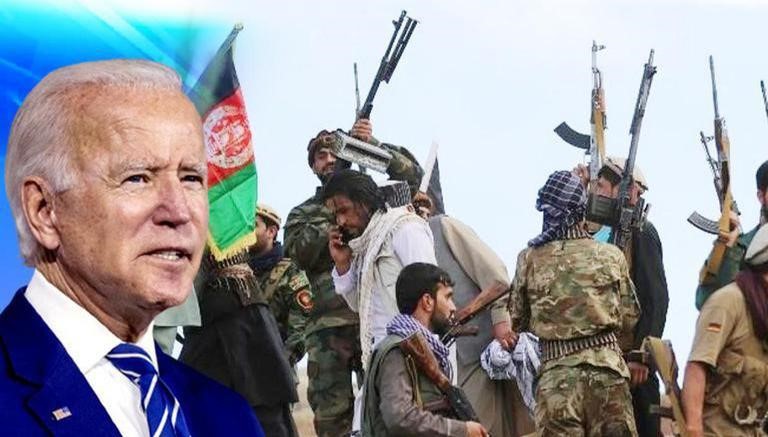
US President Joe Biden, faced severe criticism for withdrawing from Afghanistan so quickly, said the Afghan leaders need to defend their country. But if the Taliban attack Kabul, a city of more than 6 million people, there could be massive civilian casualties. Would the US then intervene in the conflict, if only to maintain peace in the Afghan capital?

“I think the US won’t back Ghani because the Afghan government is no longer in a position to defend Kabul,” Saidi said.

The US has come under heavy criticism for leaving Afghanistan in what many believe was a premature move. Without a proper peace deal between all the Afghan stakeholders.

The Taliban succeeded in capturing several territories. This came after Biden announced an unconditional withdrawal of US forces from the country in February.

American officials at the time said that Afghan forces could defend the country from the Taliban.

“We had urged the Afghan government and the international community for months to secure our city, but no one paid attention to our pleas,” Halima Sadaf Karimi, a lawmaker from the northern Jawzjan province, told DW.

BIG QUESTION

How did a government with 350,000 soldiers, trained and equipped by the best armies in the world, collapse so quickly?

The Taliban thought to number about 200,000 soldiers, armed mostly with the equipment they have seized from their enemies. They have taken all of Afghanistan’s urban centers in little more than a week, generally without much resistance.

The answer seems to be that what they lacked in brawn. They made up for in brains, determination and political shrewdness.

For the past year, diplomats in Doha had hoped that the Taliban could be compelled to negotiate with Mr. Ghani’s government. So that they agree to some sort of power-sharing agreement.

The insurgents realized it would be more profitable to negotiate with Mr Ghani’s underlings, city-by-city. Thereby simply pull the rug out from underneath him

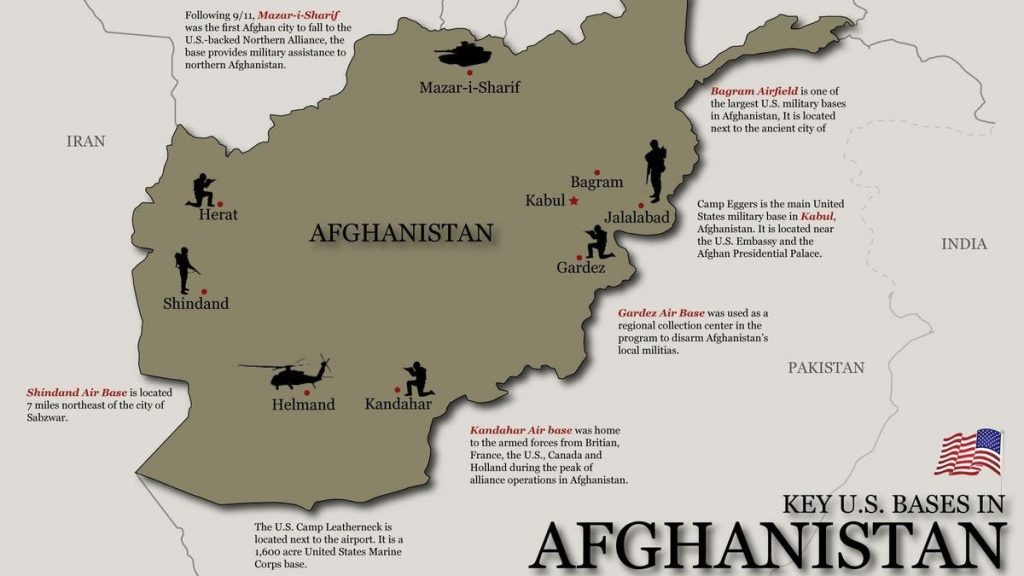
Hence in Herat, a jewel of a city near the Iranian border, Ismail Khan, the warlord took the city back from the Taliban in 2001, after fighting for days, surrendered and was filmed, in captivity, pleading for “a peaceful environment”.

In Kandahar, the city at the heart of Afghanistan’s southern breadbasket and the birthplace of the original Taliban, the governor has pictured handing over to his Taliban counterpart. In Jalalabad, in the east, the Taliban marched in without firing a shot, after elders in the city negotiated a surrender.

Mazar-i-Sharif, a northern city that once served as a bastion of anti-Taliban resistance in the 1990s, folded similarly.

WHY AFGHAN FORCES SURRENDERED?

In each case, the militants have made wide-ranging promises, to “forgive” those who served in the American-backed government, in exchange for surrender. In Kandahar, former soldiers who surrendered given laisser passer documents that they can show at checkpoints. There, throughout Friday night the sound of gunfire echoed throughout the city. According to residents, firing was in the air in celebration.

WHAT DOES THE TALIBAN TAKEOVER MEAN?

The Taliban’s political arm in Doha has claimed that they are no longer the bloody theocrats who ruled Afghanistan from 1996 to 2001. Accused criminals publicly executed at Kabul’s football grounds, including women stoned to death for adultery. For example, their negotiators have stressed that there is no rule in Islam against the education of women.

Yet, the disconnect between statements from Qatar and is being done by Taliban commanders in Afghanistan is now canyon-sized. In Herat, where 60% of the students at the university were women, they have reportedly already been ordered back to their homes. Female employees told to give up their jobs to male relatives.

KABUL IN CRISIS

At least five people killed at Kabul airport. Hundreds of people tried to enter planes leaving the Afghan capital on Monday. A horrific video surfaced on social media with a person falling off a loaded plane mid-air in Kabul. Locals said 2-3 people fell on their houses and died an immediate, tragic death.

People have been making desperate attempts to leave the war-torn country after the Taliban overthrew the Western-backed government in Afghanistan. All border crossings seized by Taliban fighters. The only way out of the country is through Kabul airport.

UNITED NATIONS STAND

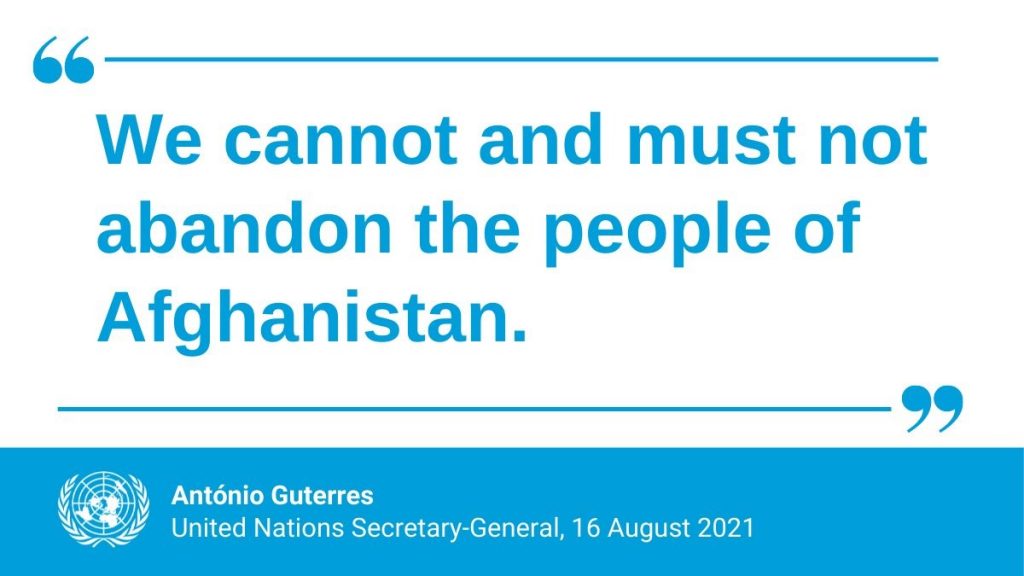
United Nations Secretary-General Antonio Guterres on Monday (August 16, 2021) said that he is ‘deeply concerned’ about the situation in Afghanistan. Further, he urged the Taliban to exercise utmost restraint. 

“I’m deeply concerned about the situation in Afghanistan and urge the Taliban and all others to exercise utmost restraint to protect lives and ensure humanitarian needs can be met. The UN remains determined to contribute to a peaceful settlement and promote human rights of all Afghans,” Guterres said.

“All abuses must stop,” the UN Chief expressed adding that the international humanitarian law and human rights. Especially, the hard-won gains of women and girls.

JAISHANKAR IN US

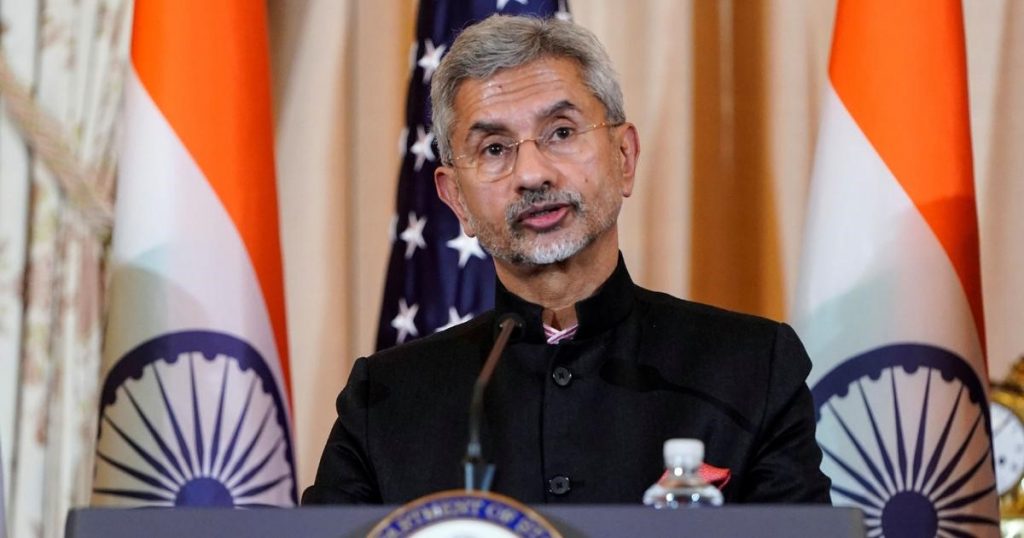
External Affairs Minister S. Jaishankar travelled to New York for a visit from August 16-19 to chair two sessions of the UN Security Council. Subjected on peacekeeping and terrorism.

The visit was scheduled earlier but is expected to see him participate in consultations on the developing situation in Afghanistan as well. He will also have bilateral meetings with Foreign Ministers of other UNSC members on the sidelines of the two sessions.

CONCLUSION:

Even the best possible outcome, where the Taliban’s leadership decides to show it is serious about reform, looks bleak.

For sure, Afghanistan’s government has made only fitful progress in raising the quality of life for ordinary Afghans. Even in cities, where it has had far more control than in the countryside.

Conclusively, its corruption has been deep and galling, and no doubt part of the reason the Taliban were able to conquer the country so effectively.

MISTAKING ECONOMICS

0
ECONOMICS

There is a fascinating thing about human beings that they can relate to any subject. One such subject is economics.

Economics as a subject is often mistaken and restricted to books only. However, when it comes to applying it practically people often get confuse.

Economics is vast and intriguing. So, it certainly contains “types”. One such type is behavioural economics.

As the name suggests, behavioural economics contains hues of psychology and economics to understand how and why people behave the way they do in the real world.

BEHAVIORAL ECONOMICS HELP YOU TO CHOOSE WELL, TO CHOOSE YOUR HEART OUT

Suppose you are doing well in your life, in terms of money, in terms of a lavish lifestyle, in terms of having a perfect family and suddenly an idea of startup pops up in your mind you want to comment the things of your own now you don’t want to resume your 9 to 5 job you want to work on your own but how?

What exactly do you need?

The only thing you need is a push either internally or externally. Push in behavioural economics is a nudge.

According to Hallsworth “Nudge is about changing the presentation of choices for people so they’re more likely to choose one option rather than the other.”

Briefly, Nudge is a push that we need to choose the best of the best.

Given are the following examples where nudge is being used and you might miss to notice:-

1. It is assumed and accepted that sales contain a relationship with advertising that means the more you advertise the more sales you can pitch. But, Zara is an exceptional case here. It only spends 0.3% of sales on advertising. Never produces too many products of a single design. It creates the “fears of paucity” in the minds of the customer which makes them take quick decisions to buy their favourite designs as they know they will go out of stock soon.

And the perceived fear of something is particularly motivating as we are loss averse.

What this means is that we find losses roughly twice as painful as gains are pleasurable.

2.There is a high possibility that people will choose a medium cup of coffee/beverage/cold drink at a cafe. This is the Goldilocks Effect. In a study at a McDonald’s outlet, people were asked to choose between a range of different drink size options. Regardless of the size options offered, 80% of them always chose the medium size option. This happens because we assume the middle option is the typical option. We will always go with the option that requires less effort to think about.

3.If I say playing music can increase your sales, Shall you believe in it? You have to.

An experiment in the UK tested playing music from different countries in a wine shop. The research found that French wine easily outsold German wine when French music was playing and vice-versa.

4. Do you think that just obviating the symbol of currency can pitch your sales?

As peculiar it sounds, as interesting the application is.

Only thinking about spending money can make you experience a kind of physical pain. If you were to be put into a brain scanner right now and we played a game where you lost your money, the part of the brain that would light up is the same part that feels physical pain.

Many restaurants and cafes adapt this strategy to welcome more and more customers.

5. If I say when supermarkets double the size of trolleys, sales will increase as much as 40%?

As humans, we like to go with the flow of a default setting.

Many renowned supermarkets for example- big bazaar, apna bazaar etc adapt this very strategy to attract millions of more customers.

CONCLUSION:-

Economics carries a bigger picture when it comes to its applications. In 2018 Richard Thaler won the Nobel prize in Economic Sciences for his gargantuan contributions to behavioural economics. He quoted “A nudge, as we will use the term, is any aspect of the choice architecture that alters people’s behaviour in a predictable way without forbidding any options or significantly changing their economic incentives.”

Humans are imperfect, they make irrational decisions most of the time, they make certain errors in every walk of their life, they are more complicated than they seem.

But what exactly do they need?

They always need a nudge, a push to come out of their comfort zone and choose the best from the given opportunities (costs).